
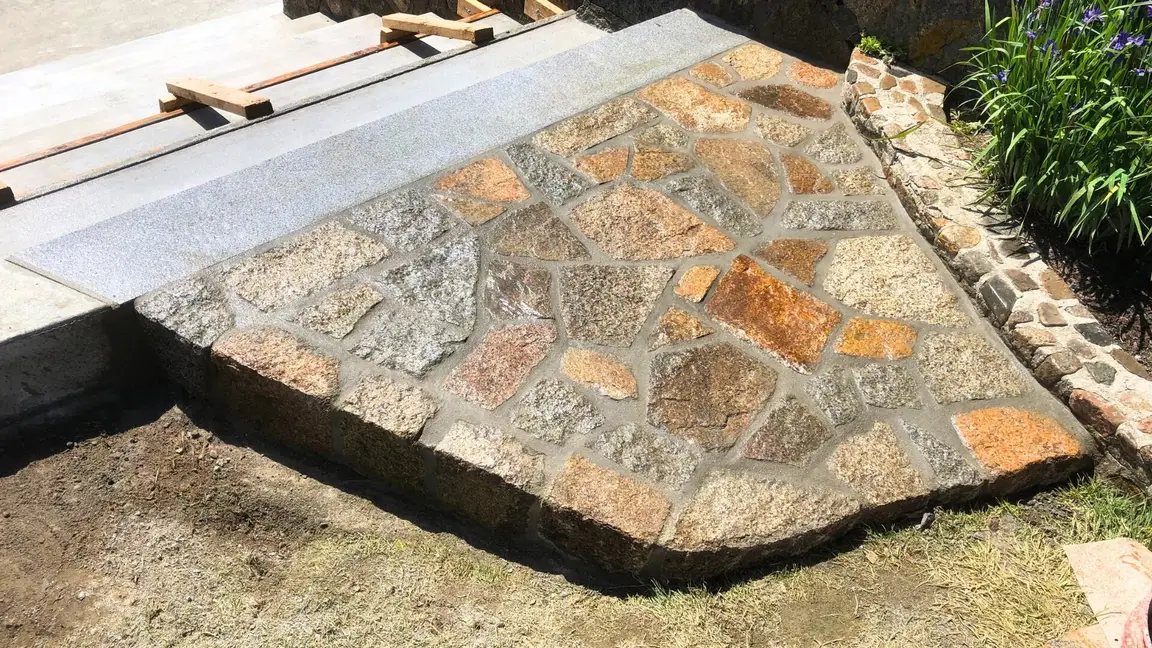
Signs You May Need Masonry Repair in Boston, MA
Most masonry problems don’t happen overnight. Around Boston, brick, stone, and mortar are constantly exposed to rain, snow, moisture, and freeze-thaw cycles. Over time, that wear starts to show. The sooner problems are identified, the easier they are usually to address.
If you’ve noticed any of the following issues around your property, it may be time to have your masonry evaluated.
1
Cracked Mortar and Loose Bricks
One of the most common masonry problems is deteriorating mortar. As mortar joints begin to crack or wear away, nearby bricks can start to loosen or shift out of place. You might notice small gaps forming or sections that simply don’t look as solid as they once did.
2
Spalling Brick or Stone
Spalling is the term used when brick or stone begins to flake, chip, or break apart. It’s especially common in New England, where moisture can work its way into masonry and repeatedly freeze and thaw throughout the winter.
3
Leaning or Bowing Retaining Walls
A retaining wall shouldn’t be leaning. If a wall starts to bow outward, tilt, or show signs of movement, there’s often pressure building behind it. In some cases, poor drainage is the culprit. In others, the wall has simply reached the point where repairs are needed.
4
Cracked or Uneven Steps
A small crack in a set of masonry steps may not seem like a big deal at first. The problem is that weather, foot traffic, and seasonal movement rarely make those cracks smaller. Uneven steps can also become a safety concern, particularly during the winter months.
5
Chimney Deterioration
Chimneys tend to show their age before many other masonry structures because they’re exposed on all sides. Loose bricks, missing mortar, and visible cracking are all signs that repairs may be needed to keep the chimney in good condition.
6
White Staining on Masonry
If you’ve noticed a white, powdery residue on brick or stone, moisture is often the cause. This staining occurs when water moves through the masonry and leaves mineral deposits behind. While it’s usually harmless, it can be a sign that excess moisture is present.
Why Do Masonry Problems Develop in Boston, MA?
Most masonry isn’t damaged by one major event. More often, it’s the result of years of exposure to New England weather, moisture, shifting ground conditions, and normal aging. The Boston area is filled with older brick and stone structures, which means masonry repairs are a common part of maintaining many homes and properties.
Freeze-Thaw Cycles: If you’ve lived through a Boston winter, you’ve seen how hard the weather can be on just about everything outside. Masonry is no exception. When water gets into small cracks and freezes, it expands. Over time, that repeated cycle can cause brick, stone, and mortar to crack, loosen, or break down.
Aging Brick and Stonework: One of the things people love about Greater Boston is its historic character. From older homes to century-old stone walls, masonry is everywhere. The downside is that even the best-built masonry eventually needs maintenance after decades of exposure to the elements.
Moisture and Salt Exposure: Brick, stone, and mortar are constantly exposed to the weather. Rain, snow, humidity, melting ice, coastal salt air, and even road salt used during the winter can all contribute to wear over time.
Poor Drainage: Sometimes the issue isn’t the masonry itself. It’s the water around it. In many older and more densely developed Boston neighborhoods, water doesn’t always have an easy path away from the property. When it repeatedly collects near retaining walls, walkways, steps, or other masonry features, it can create conditions that speed up deterioration.
Settlement and Soil Movement: The ground beneath a property doesn’t stay perfectly still forever. Seasonal moisture changes, freeze-thaw cycles, and normal settling can all affect the soil below masonry structures. As the ground shifts over time, cracks and other signs of movement can begin to appear.
Tree Roots and Landscape Pressure: Many Boston-area neighborhoods are known for their mature trees and established landscaping. While they add plenty of character, root systems don’t always stay where we want them. As roots grow and spread, they can sometimes affect nearby retaining walls, walkways, steps, and other masonry features.
Masonry Repair & Restoration Services in Boston, MA
Masonry problems don’t always look the same from one property to the next. Sometimes it’s a few deteriorating mortar joints. Other times, it might be loose bricks, a damaged chimney, or a retaining wall that’s starting to move. Whatever the issue, the goal is the same: address the problem before it spreads and preserve the appearance and integrity of the structure.
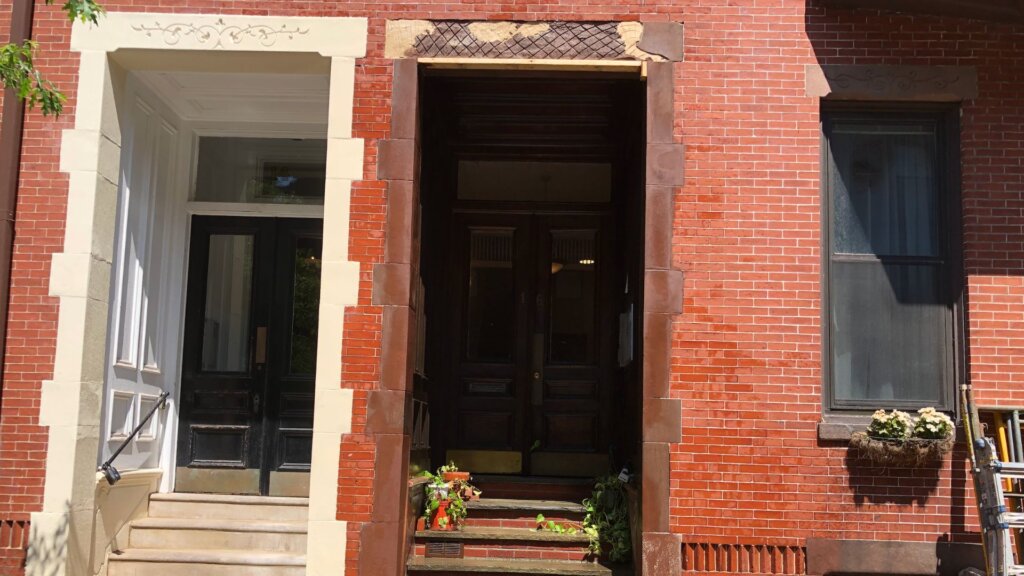
Tuckpointing & Repointing
Mortar is often one of the first parts of a masonry structure to show signs of age. As it begins to crack, crumble, or wear away, the masonry around it can become more vulnerable to movement and moisture. Repointing restores damaged mortar joints, while tuckpointing can also improve the appearance of older brickwork by creating cleaner, more uniform lines.
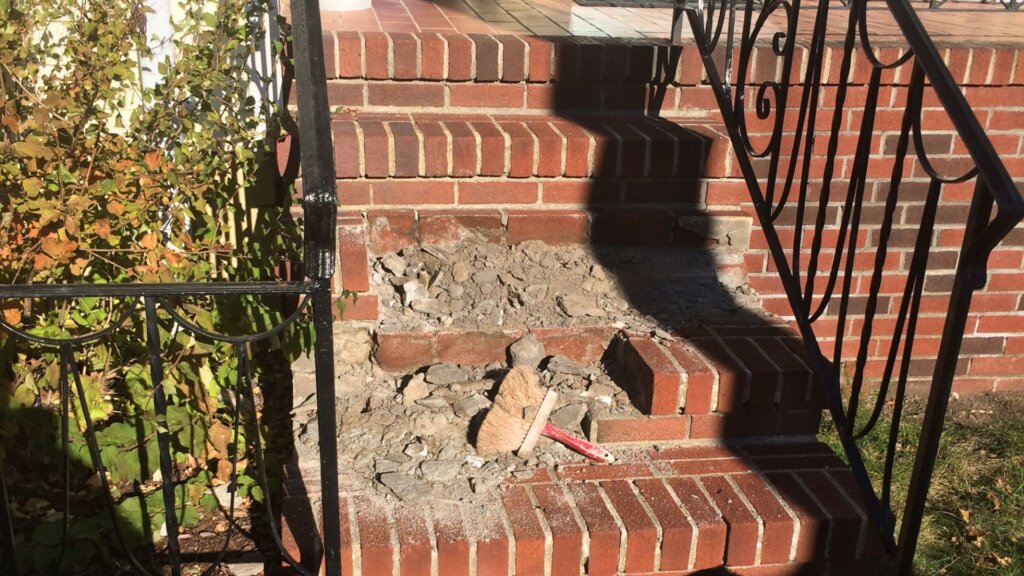
Brick Repair & Replacement
Brick is incredibly durable, but it’s not immune to years of weather exposure. Individual bricks can crack, loosen, or deteriorate over time, especially when moisture finds its way into the masonry. Repairing or replacing damaged bricks can help maintain both the appearance and long-term condition of the structure.
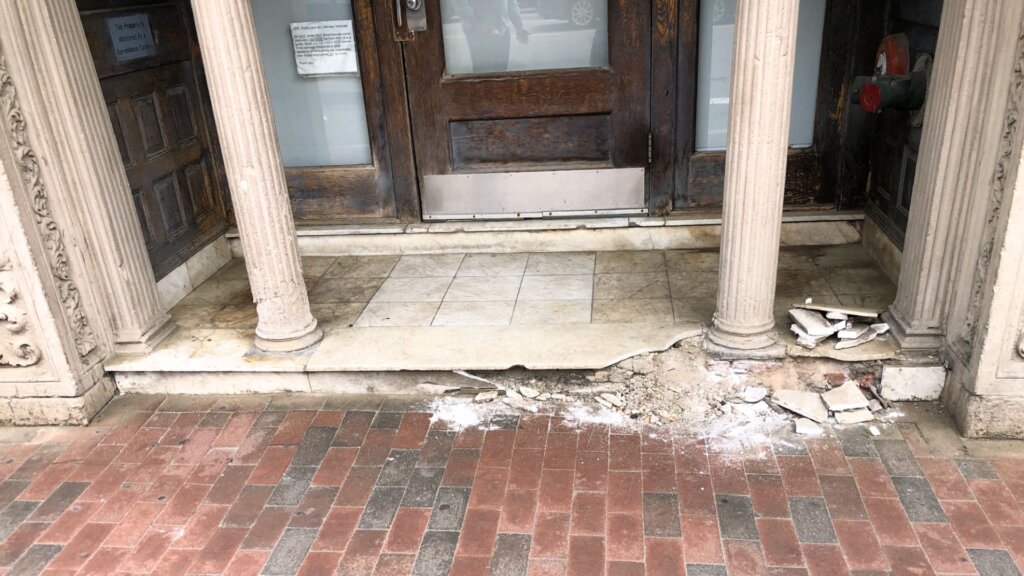
Stone Repair & Restoration
Many homes throughout Greater Boston feature stone walls, entryways, steps, and other masonry details that have been in place for decades. Over time, weather, moisture, and natural settling can cause stones to shift, crack, or loosen. Restoration work helps preserve these features while addressing damage before it becomes more extensive.
Chimney Repair
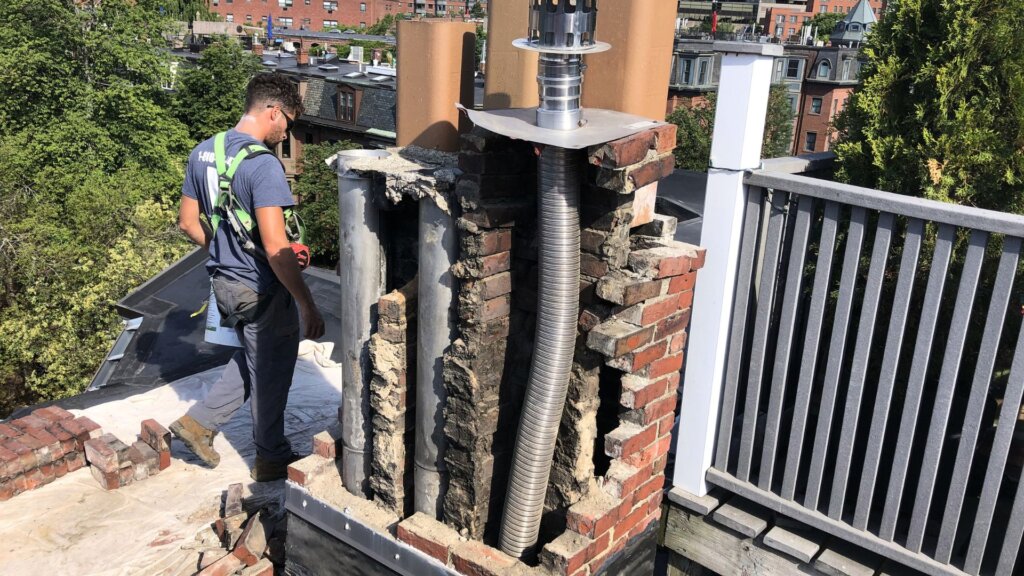
Chimneys are often one of the first places where masonry deterioration becomes noticeable. As mortar joints crack and bricks begin to loosen, sections of the chimney can become unstable. Repairing damage early can help prevent loose bricks or masonry from falling and reduce the likelihood of more extensive deterioration over time.
Retaining Wall Repair
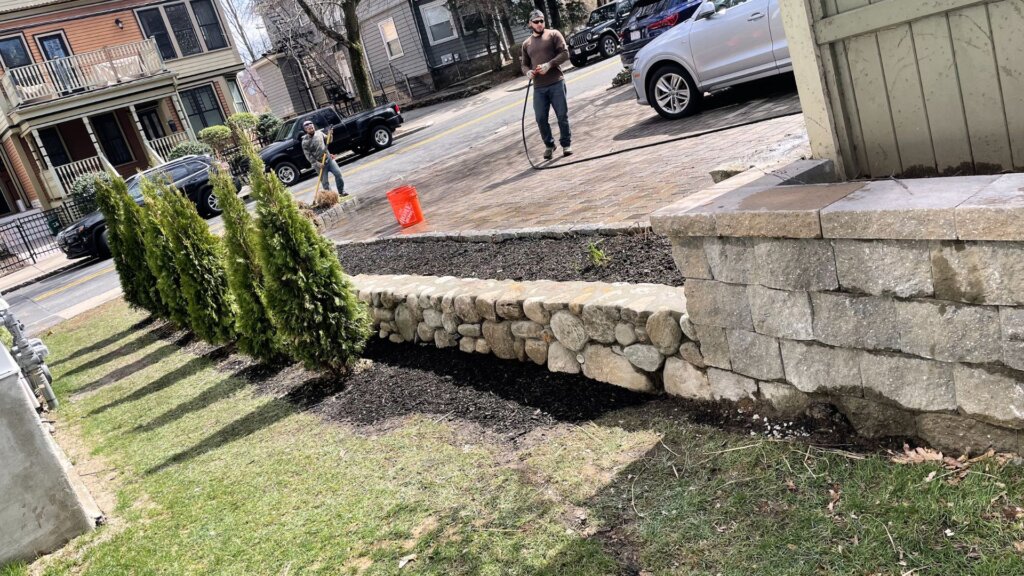
A retaining wall that’s beginning to lean or move is often a sign that something behind the wall has changed. These structures are designed to hold back soil and manage changes in elevation, but soil pressure, drainage issues, and years of wear can affect their stability. Repairs can help stabilize the wall and address the underlying issues that caused the movement.
Historic Masonry & Architectural Restoration
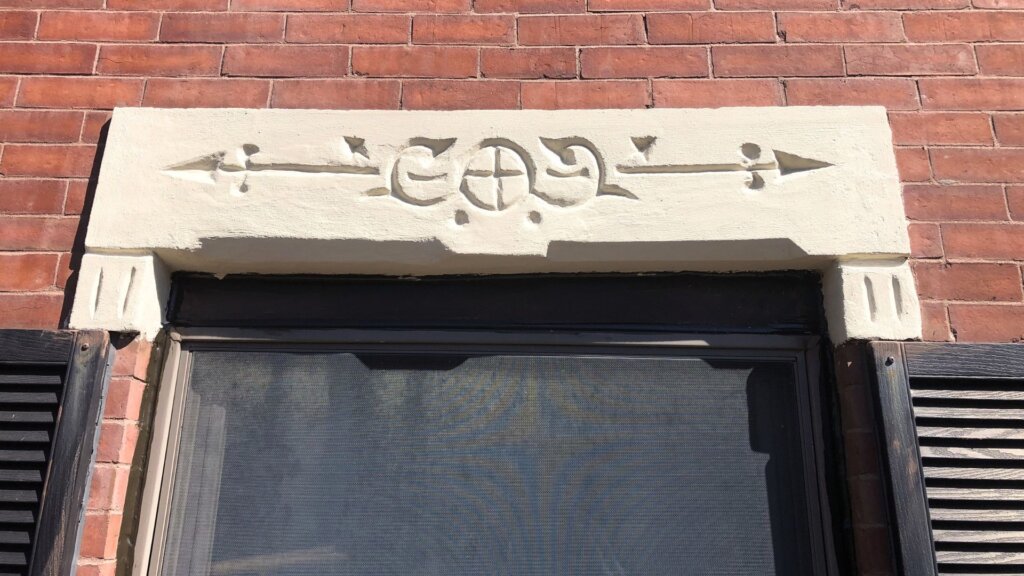
Older homes and buildings often include masonry details that simply aren’t found in newer construction. Decorative brickwork, stone lintels, and other architectural features can develop wear after decades of exposure to the elements. Restoration work focuses on preserving those details while repairing damage and maintaining the character that makes older properties unique.
Historic Fieldstone Wall Repair & Restoration in Boston, MA
One of the things that makes Massachusetts different from a lot of other parts of the country is the sheer number of old stone walls scattered throughout the landscape. You see them in the woods, along roadways, around older homes, and running through neighborhoods where the surrounding area has changed dramatically over the years.
Many of these fieldstone walls have been here for a very long time. Some were originally built in the 1700s and 1800s by farmers clearing stones from their fields. Instead of hauling the rocks away, they stacked them into walls that marked property lines, separated pastures, and helped define the land.
What’s interesting is that many of those walls are still standing today. In some cases, they’re older than the homes sitting next to them.
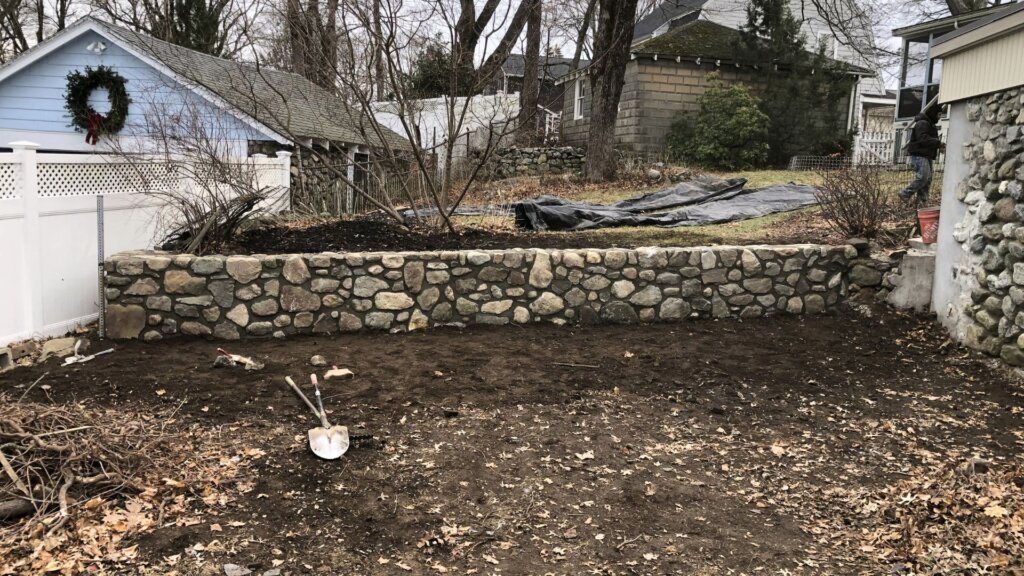
After decades and sometimes centuries of New England weather, it’s not unusual to see stones shift out of place or sections begin to lean. Tree roots, drainage issues, and natural settling can all contribute to the problem. Sometimes the damage is limited to a small area and can be addressed with targeted stone wall repairs. Other times, larger sections require more extensive stone wall restoration or rebuilding.
For many property owners, the goal isn’t to make the wall look brand new. It’s to preserve the character that’s already there while restoring the stability of the structure. Whether it’s a small repair or a larger fieldstone wall restoration project, maintaining the original appearance of the wall is often just as important as the repair itself.
New Masonry Construction & Hardscaping in Boston, MA
Not every masonry project starts with a repair. Sometimes homeowners are simply looking for a better way to use their outdoor space. A steep slope, an underused backyard, aging front steps, or a lack of usable gathering areas can all make a property feel less functional than it could be. The right masonry features can help solve those problems while adding lasting value and curb appeal.
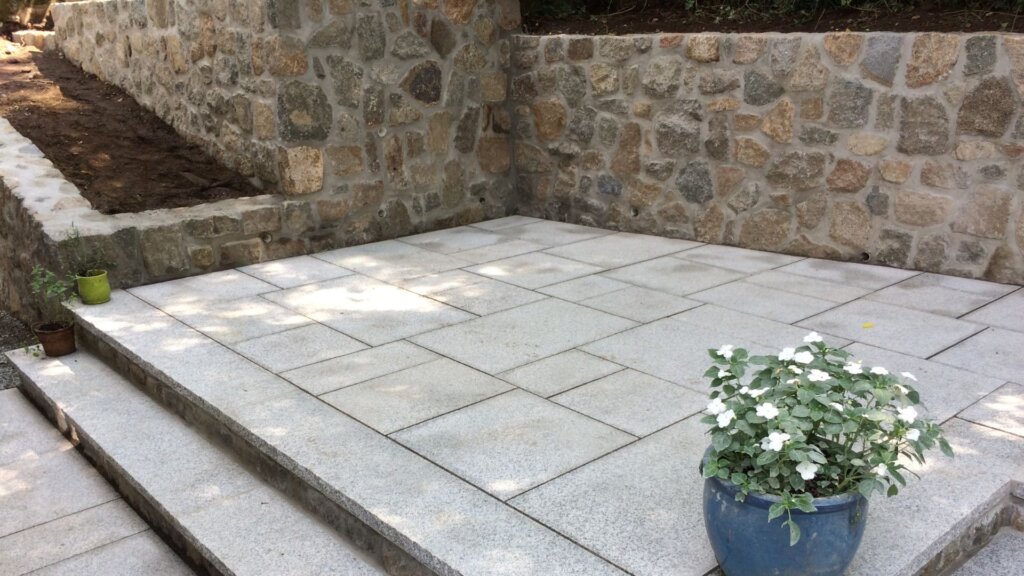
Retaining Walls
A lot of retaining wall projects start with a yard that’s working against the homeowner. Maybe part of the property is too steep to use comfortably, or there’s an area that washes out every time it rains. A retaining wall can help create flatter, more usable space while adding structure to the landscape. Depending on the property, it may be built primarily for support, appearance, or a combination of both.
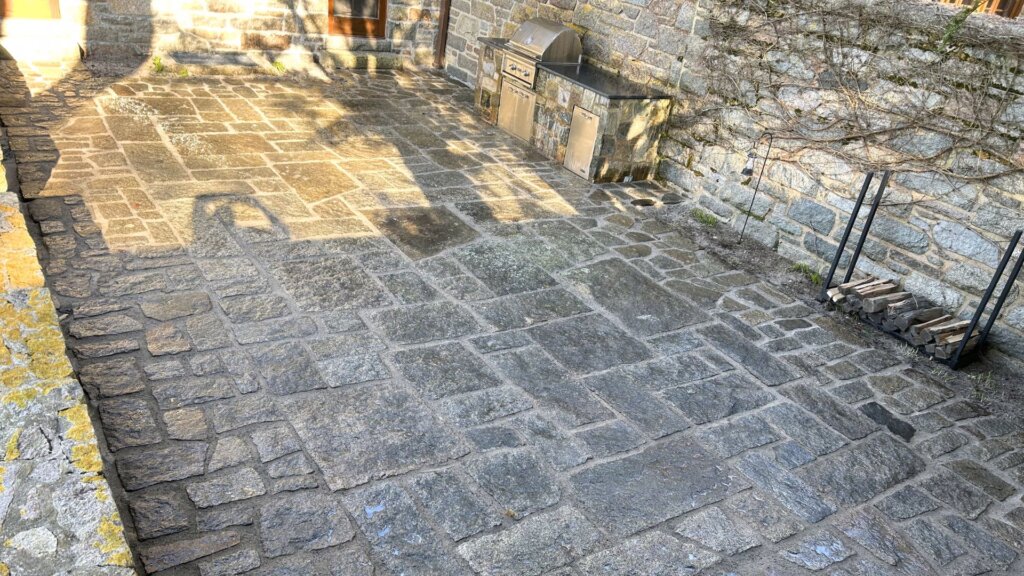
Patios & Outdoor Living Spaces
It’s easy for part of a backyard to become wasted space. Sometimes it’s too uneven for furniture. Sometimes it just never feels like a place people want to spend time. A patio can completely change that. Whether it’s a small seating area or a larger space for entertaining, patios often become one of the most-used parts of the property once they’re finished.
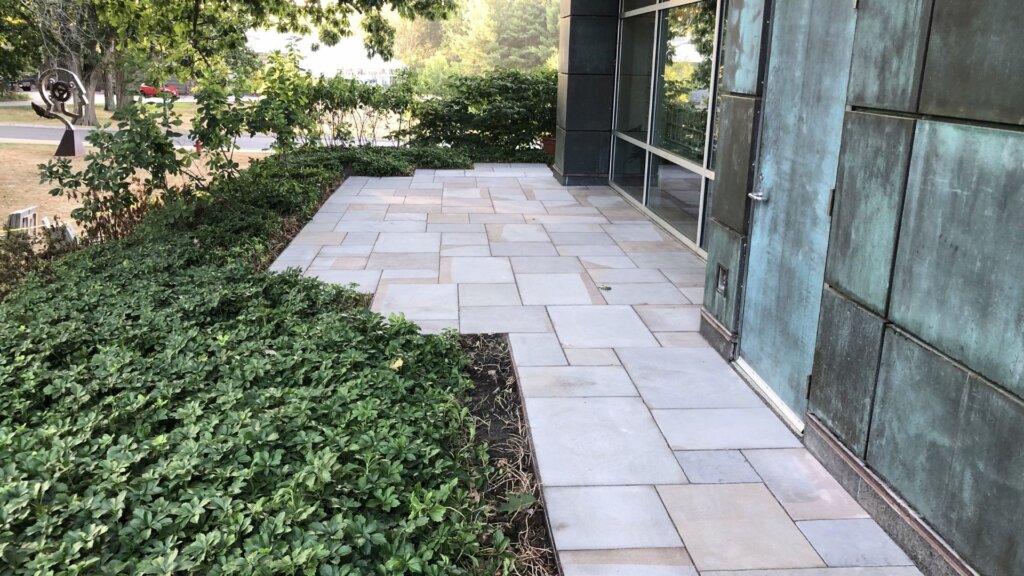
Walkways & Pathways
Most people don’t think much about their walkways until they start to wear out. Cracks, uneven surfaces, and awkward layouts can make moving around the property less convenient than it should be. A well-designed walkway helps connect different outdoor spaces while making the property feel more finished and easier to navigate.
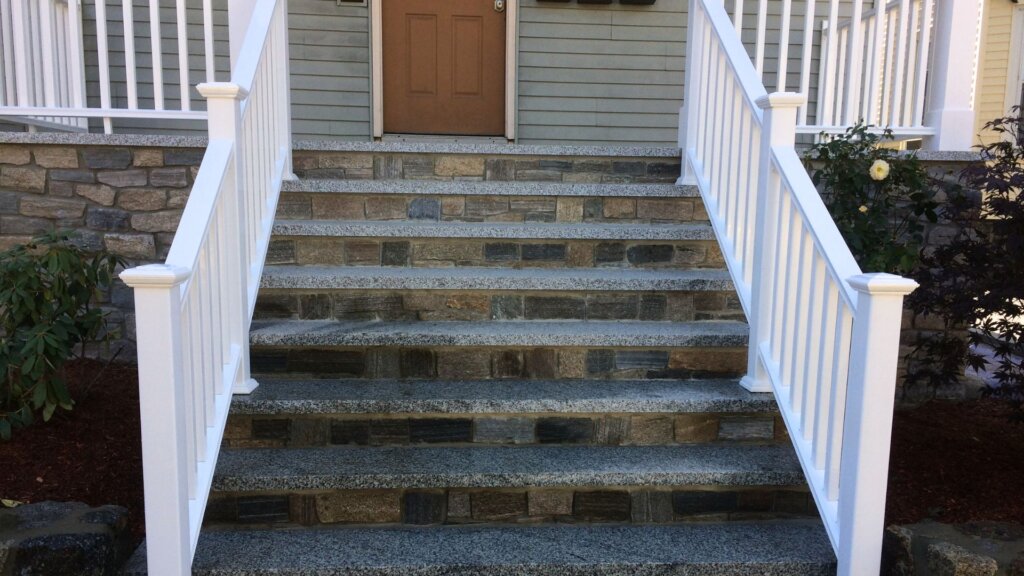
Front Steps & Entryways
Front steps get used every day, which is probably why many homeowners don’t notice them changing until the wear becomes obvious. Years of weather and regular use can leave steps looking worn, uneven, or outdated. Rebuilding an entryway can refresh the appearance of the home while making it more comfortable and practical to use.
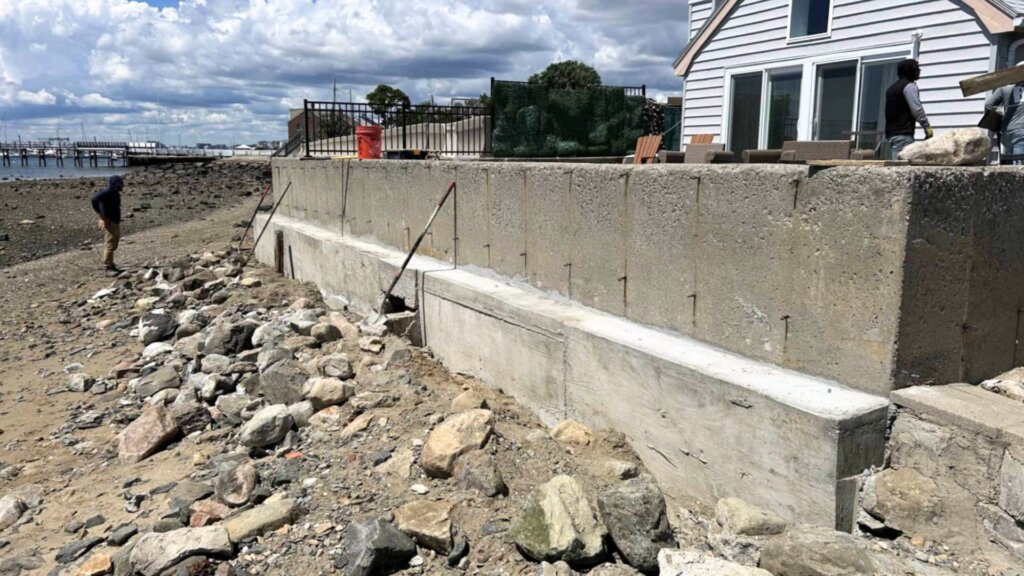
Seawalls & Waterfront Masonry
Owning waterfront property comes with challenges that don’t exist anywhere else. Constant exposure to waves, tides, storms, and shoreline erosion can gradually wear away at both the landscape and the structures around it. Seawalls help protect vulnerable shorelines while supporting the long-term stability of the property. Whether the project involves repairing an aging seawall, restoring a damaged shoreline structure, or building new waterfront masonry, the work has to be designed with those conditions in mind from the start.
Want to see what goes into a seawall restoration project? Watch our YouTube video documenting the process from start to finish.
Need Masonry Repair or Installation Services in Boston, MA?
Whether you’re dealing with aging brickwork, a stone wall that’s starting to deteriorate, or you’re planning a new patio or retaining wall, our team is here to help. We’ve worked on all types of masonry projects throughout Greater Boston, from small repairs to larger installations.
If you have questions about a masonry issue or a project you’d like to tackle, contact Boston Foundation Repair for a free estimate. We’d be happy to discuss your options and see how we can help.
Frequently Asked Questions
What is tuckpointing and when is it needed?
Tuckpointing is the process of removing old, deteriorated mortar and replacing it with new mortar. Homeowners usually start asking about it when they notice mortar cracking, crumbling, or falling out from between the bricks. If enough mortar is lost, water can begin working its way into the wall and cause additional damage over time.
How do I know if my brick mortar needs repair?
Sometimes the signs are obvious. You might notice gaps between bricks, loose mortar, or areas where the joints look worn compared to the rest of the wall. Other times, it’s just a section of brickwork that doesn’t look quite right anymore. If you’re questioning it, it’s probably worth having someone take a look.
Can damaged bricks be replaced without rebuilding the entire wall?
Usually, yes. We’ve replaced individual damaged bricks on plenty of projects without rebuilding the entire wall. The deciding factor is typically the condition of the surrounding bricks and mortar. If the rest of the masonry is still in good shape, a more targeted repair is often possible.
How long does masonry repair last in Boston, MA?
That depends on the repair, the materials used, and the conditions the masonry is exposed to. Around Boston, freeze-thaw cycles can be tough on brick, stone, and mortar. When repairs are done properly, though, they can last for many years before additional work is needed.
What causes brick and stone masonry to deteriorate?
Water is usually at the center of it. Moisture gets into small cracks, freezes during the winter, expands, and slowly wears the masonry down. It’s rarely something that happens overnight. More often, the damage develops gradually over the course of several seasons.
Can a retaining wall be repaired instead of replaced?
It depends on what’s happening with the wall. We’ve seen retaining walls with a few problem areas that were good candidates for repair, and we’ve seen others that had shifted enough that replacement made more sense. An inspection is usually the best way to determine which option is likely to provide the better long-term result.
Do you provide historic masonry restoration in Boston, MA?
Yes. We work on a lot of older homes and buildings throughout Greater Boston, and historic masonry often requires a different approach than newer construction. The goal isn’t just to fix the problem. It’s also to preserve the appearance and character of the original masonry whenever possible.
Can historic stone walls be repaired and restored?
Often, yes. Some stone walls look like they’re beyond repair at first glance but turn out to be good candidates for restoration. It really comes down to how the wall was built, how much movement has occurred, and the condition of the surrounding stone and mortar.
Do you build patios, walkways, and retaining walls?
Yes. While many people call us about masonry repairs, we also build new patios, walkways, retaining walls, stone walls, and front steps. Some projects are part of a larger landscape renovation, while others are simply replacing an older feature that has reached the end of its lifespan.
Can damaged masonry cause water intrusion?
It definitely can. Cracked mortar joints, deteriorated brickwork, and damaged stone can all create pathways for water to get where it shouldn’t. In some cases, homeowners notice the masonry damage first. In others, they notice moisture problems and later discover the two issues are connected.
How much does masonry repair cost in Boston, MA?
That’s probably one of the most common questions we get, and the answer varies quite a bit from one project to the next. Replacing a few damaged bricks is very different from restoring a large stone wall or repointing an entire building. The best way to get an accurate number is to have the masonry evaluated in person.