
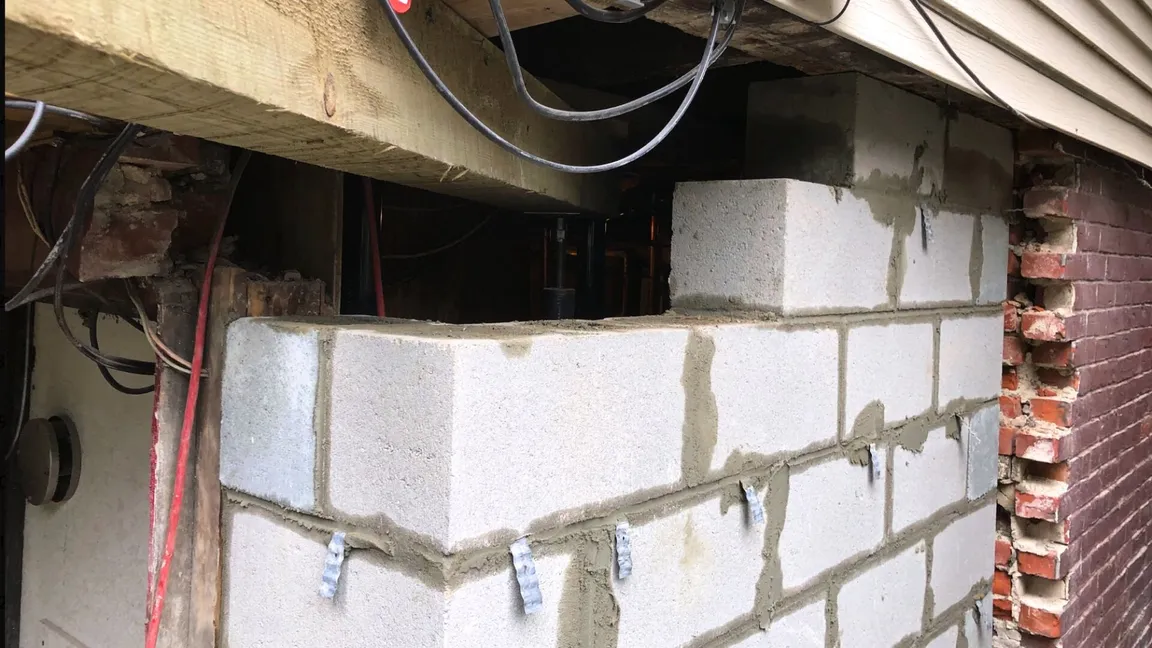
Signs Your Foundation May Need Repair in Boston, MA
Many foundation issues reveal themselves through subtle warning signs long before major structural damage occurs. If you’ve spotted any of the issues below, it may be worth having your foundation evaluated.
Foundation Cracks
Not all foundation cracks are serious, but growing or widening cracks are worth having checked out before they become bigger repairs.
Water Intrusion
A damp basement after a heavy New England rainstorm is often a sign that water is finding its way where it shouldn’t.
Uneven Floors
If a floor feels noticeably sloped or uneven, there may be movement occurring beneath the structure.
Sticking Doors
Doors and windows that suddenly stop opening smoothly can be one of the first signs of foundation movement.
Window Gaps
Gaps around windows and doors may be a sign that one area of the home is moving more than another.
Bowing Walls
Walls that appear to lean, bulge, or push inward should be inspected before the problem has a chance to worsen.
Chimney Damage
Cracked brickwork or a chimney pulling away from the home can point to underlying foundation settlement.
Musty Odors
That persistent basement smell many homeowners notice often goes hand in hand with excess moisture and foundation-related issues.
Common Causes of Foundation Movement in Boston, MA
Freeze-Thaw Cycles: New England weather can be tough on foundations. As moisture in the ground freezes and thaws throughout the year, the soil expands and contracts. Over time, that repeated movement can contribute to cracks and other foundation problems.
Moisture Changes: The ground around your home responds to changes in moisture levels. After long periods of rain or drought, the soil can shift, which may affect how the foundation settles over time.
Expansive Soils: Some soils absorb more water than others. As they take on moisture and then dry out again, they expand and shrink, creating movement beneath the foundation.
Poor Drainage: When water isn’t carried away from the home properly, it can collect near the foundation instead. Over time, that excess moisture can contribute to settlement, cracks, and other concerns.
Aging Foundations: Many homes in Boston, MA have been standing for generations. Even a well-built foundation can begin to show signs of wear after decades of supporting the home through changing seasons, moisture levels, and ground movement.
Natural Settlement: It’s normal for a home to settle as it ages. The concern is when one area settles more than another, which can lead to cracks, uneven floors, and other changes throughout the home.
How much does foundation repair cost in Boston, MA?
Foundation repair costs vary widely because every home, soil condition, and type of damage is different. Minor crack repairs or small-scale waterproofing measures generally sit at the lower end of the cost range, while structural work such as wall stabilization, pier installation, or slab lifting tends to cost more because it involves specialized equipment, labor, and materials. Homes with significant settlement, extensive water intrusion, or older foundations often require a more involved scope of work, which increases the overall investment.
Boston Foundation Repair works with homeowners throughout Boston, MA, and nearby communities to evaluate the specific cause of a foundation issue before recommending a repair approach, since guessing at a price without seeing the property rarely reflects the real cost. Because so many older and historic homes exist throughout Greater Boston, an accurate estimate typically depends on an in-person inspection of the foundation, soil, drainage, and the age and construction of the home.
Foundation Repair Methods in Boston, MA
Foundation problems don’t all have the same solution. A crack in one home might be little more than normal settling, while a similar crack somewhere else could point to a larger issue beneath the foundation. That’s why the first step is always understanding what’s causing the problem and whether it’s still actively affecting the home.
Foundation Crack Repair
Not every crack means the same thing. The location, size, and pattern of a crack can tell us a lot about what’s happening beneath the surface.
A crack that formed years ago and hasn’t changed is very different from one that’s actively growing. Before recommending a repair, we look at what caused the crack in the first place and whether that underlying issue needs to be addressed.
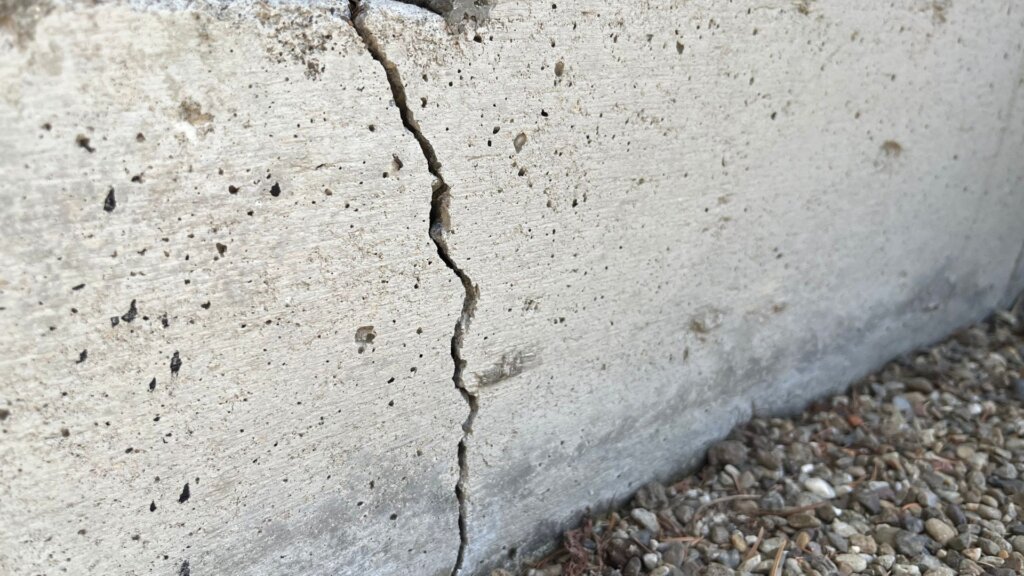
Vertical Cracks
Vertical cracks are among the most common cracks found in concrete foundations. They often develop as concrete cures, settles, and ages over time. While many are relatively minor, larger cracks or those that allow water to enter should still be evaluated.
Horizontal Cracks
Horizontal cracks tend to be more concerning because they can indicate pressure building against a foundation wall. We often see this happen when drainage issues, saturated soil, or repeated freeze-thaw cycles place stress on the foundation. In some cases, additional support or wall stabilization may be needed.
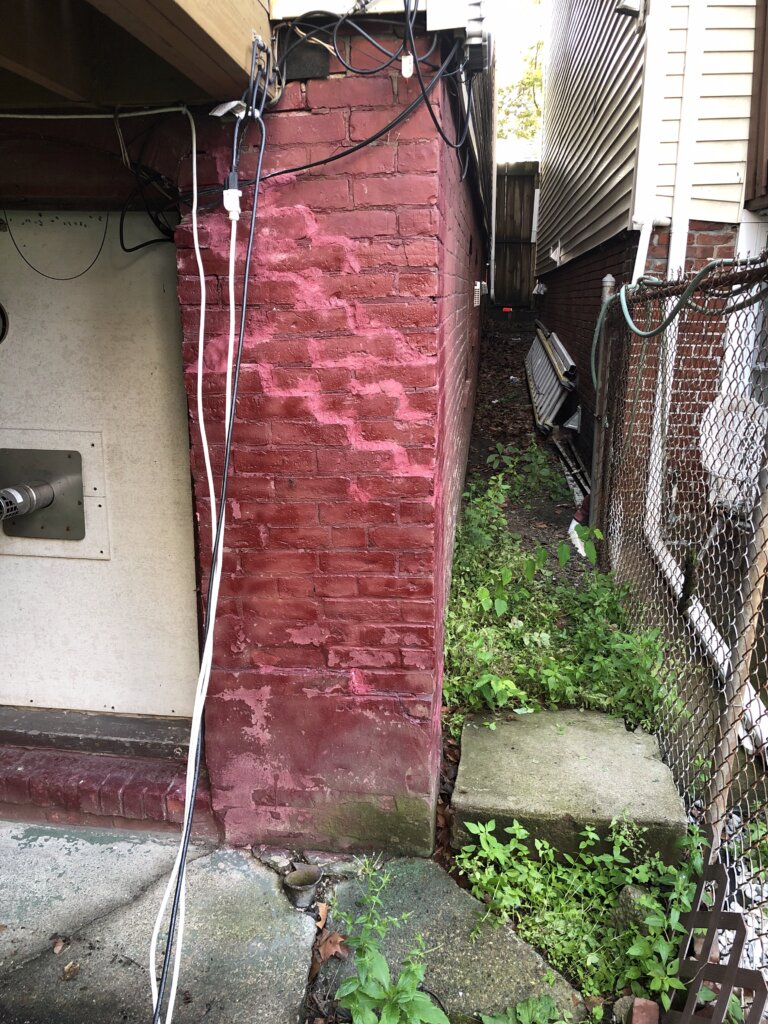
Stair-Step Cracks
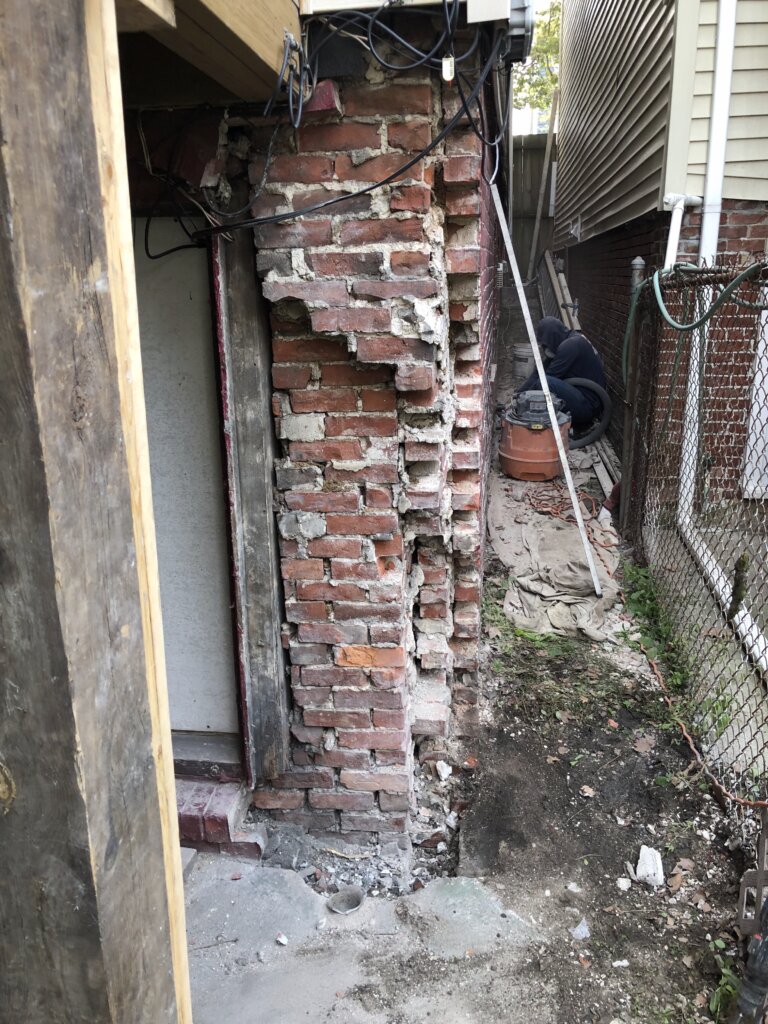
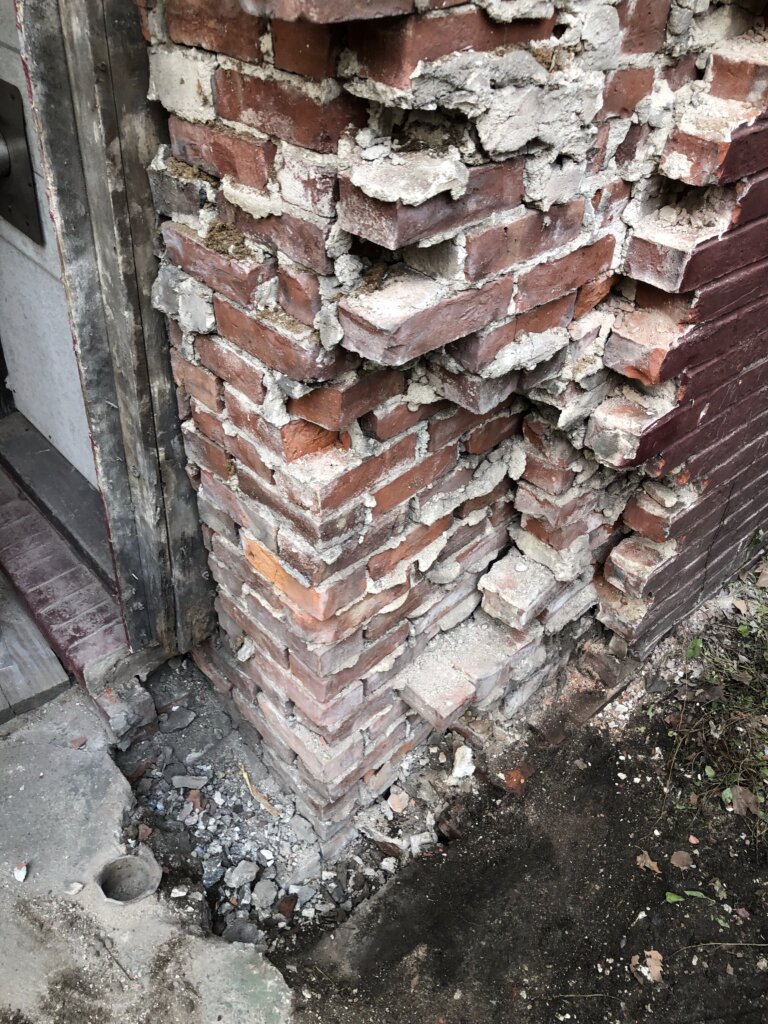
These cracks are commonly found in brick and masonry foundations, especially in older homes. They follow the mortar joints in a stair-step pattern and can develop when one section of the home settles differently than another. Depending on what’s causing the movement, repairing the crack alone may not be enough.
Diagonal Cracks
Diagonal cracks often appear near doors, windows, and corners where stress naturally concentrates. They’re frequently associated with uneven settlement and can be a sign that one portion of the foundation is moving more than the rest.
Not every foundation issue can be solved by repairing the visible crack alone. In many cases, the real solution involves addressing the movement, settlement, or structural stress that caused the damage in the first place.
Helical Pier Installation
We sometimes inspect homes where the foundation is still in relatively good condition, but the soil underneath has shifted over the years. When that happens, parts of the home can begin to settle because the ground is no longer providing the support it once did.
Helical piers are one way to address this problem. They’re installed deep into the ground until they reach stable soil that can better support the structure above. Once in place, they help stabilize the foundation and can often stop settlement from getting worse. In some situations, they may even help recover areas that have already sunk.

Jacking & Leveling
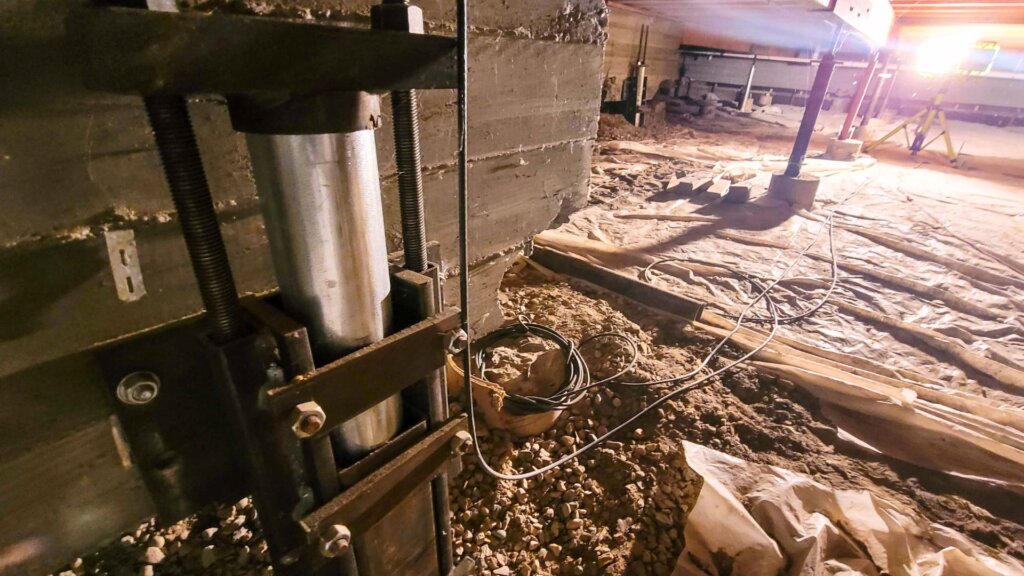
One of the most common concerns homeowners mention is that a floor no longer feels level or a room seems lower than it used to. When settlement causes part of a structure to sink, jacking and leveling may be used to carefully raise the affected area.
The process is done gradually using specialized equipment to help avoid unnecessary stress on the home. Once the desired position has been reached, additional support measures may be added to help maintain stability moving forward.
How do I find a trustworthy foundation repair company near me in Boston?
Finding a trustworthy foundation repair company starts with looking for contractors who take time to understand the actual cause of a problem rather than pushing a one-size-fits-all fix. A reliable company should be willing to walk you through what they observed during an inspection, explain why they’re recommending a particular repair method, and answer questions clearly rather than relying on pressure tactics. Local experience matters too, since a company familiar with the region’s soil conditions, older housing stock, and seasonal weather patterns is often better equipped to diagnose issues accurately.
Boston Foundation Repair works with homeowners throughout Boston, MA, and surrounding communities including Arlington, Brookline, Medford, Somerville, and Watertown, with a focus on identifying the actual cause of each problem and communicating honestly about the recommended solution. This approach is especially relevant in a region with a large number of older homes and historic properties, where foundation issues can require a more nuanced diagnosis than newer construction.
What the Foundation Repair Process Looks Like
Inspection
We examine the foundation, identify problem areas, and determine what’s causing the issue.
Our Findings
You’ll receive a clear explanation of our findings along with recommended solutions and pricing.
Repairs
Our team completes the work using the repair methods best suited to your home’s needs.
Final Review
Before wrapping up, we’ll review the completed work with you and answer any questions.
My historic Boston home has uneven floors and settling — is this normal for an old house, or does it need foundation repair?
Some degree of settling is common in older homes, and minor unevenness in floors doesn’t automatically mean there’s an urgent structural problem. That said, settling that is ongoing, uneven across the home, or paired with other symptoms such as wall cracks, sticking doors, or gaps around window and door frames is more likely to indicate a foundation issue that should be evaluated. The difference between normal aging and a developing structural problem often comes down to whether the movement has stabilized or is continuing to change.
Boston Foundation Repair works with owners of older and historic homes throughout Boston, MA, where original foundation materials, past renovations, and decades of exposure to New England weather can all play a role in how a home settles over time. Because historic properties can have unique construction details, an inspection that takes the home’s age and history into account helps clarify whether uneven floors reflect normal aging or a structural issue that needs attention.
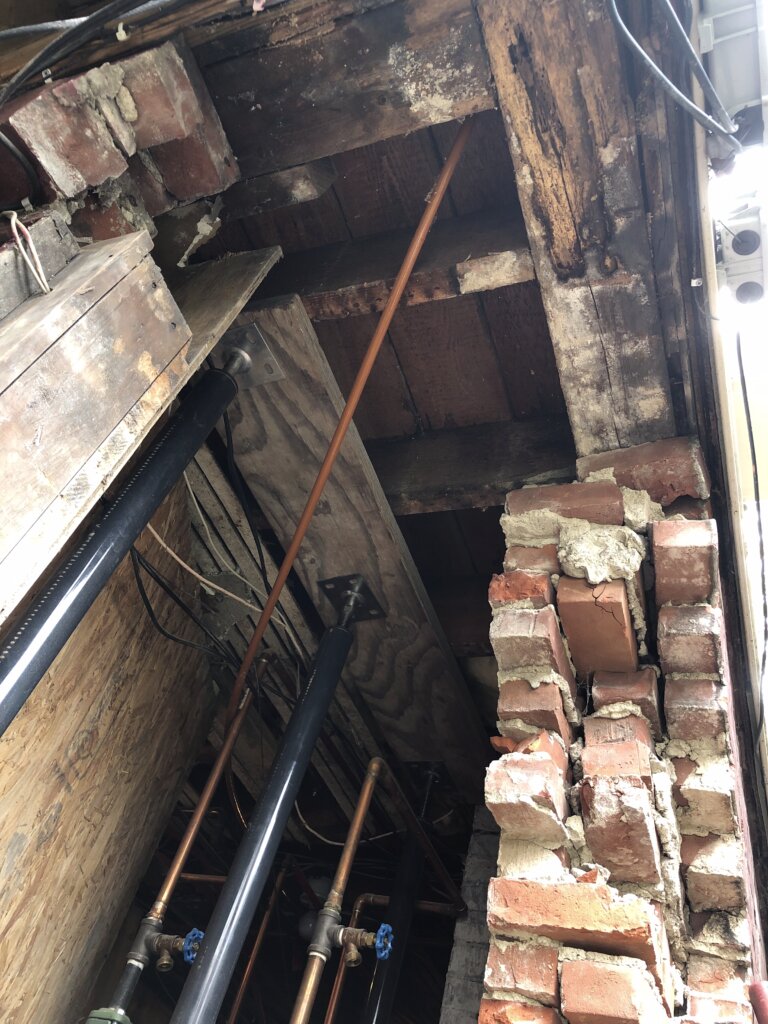
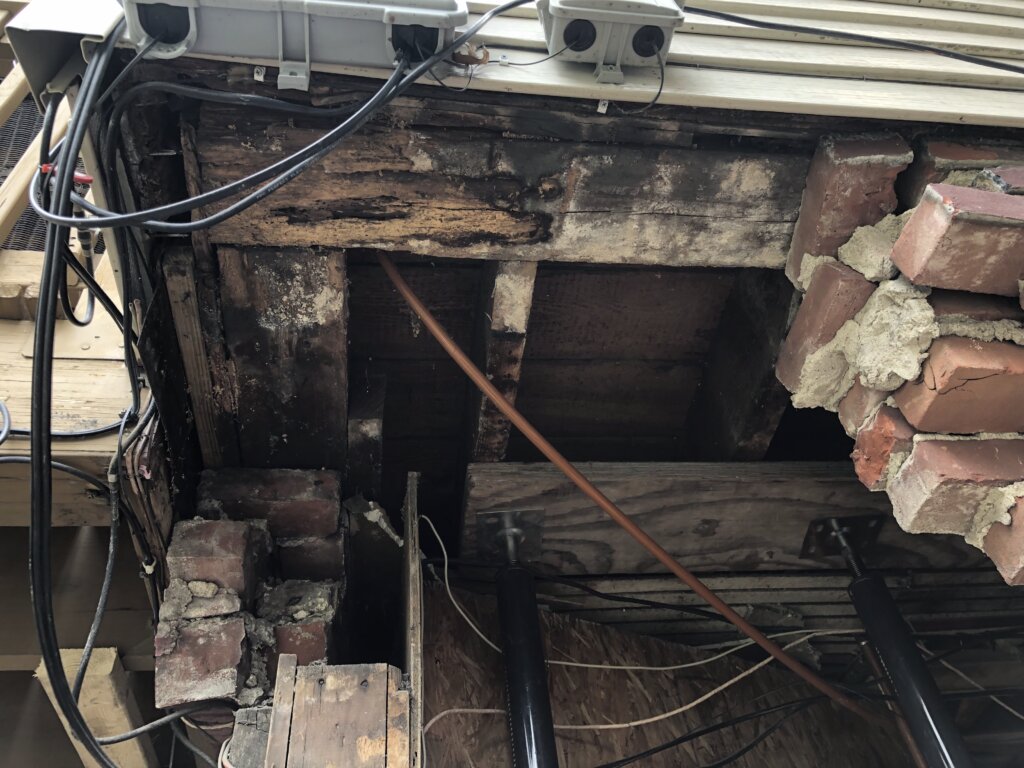
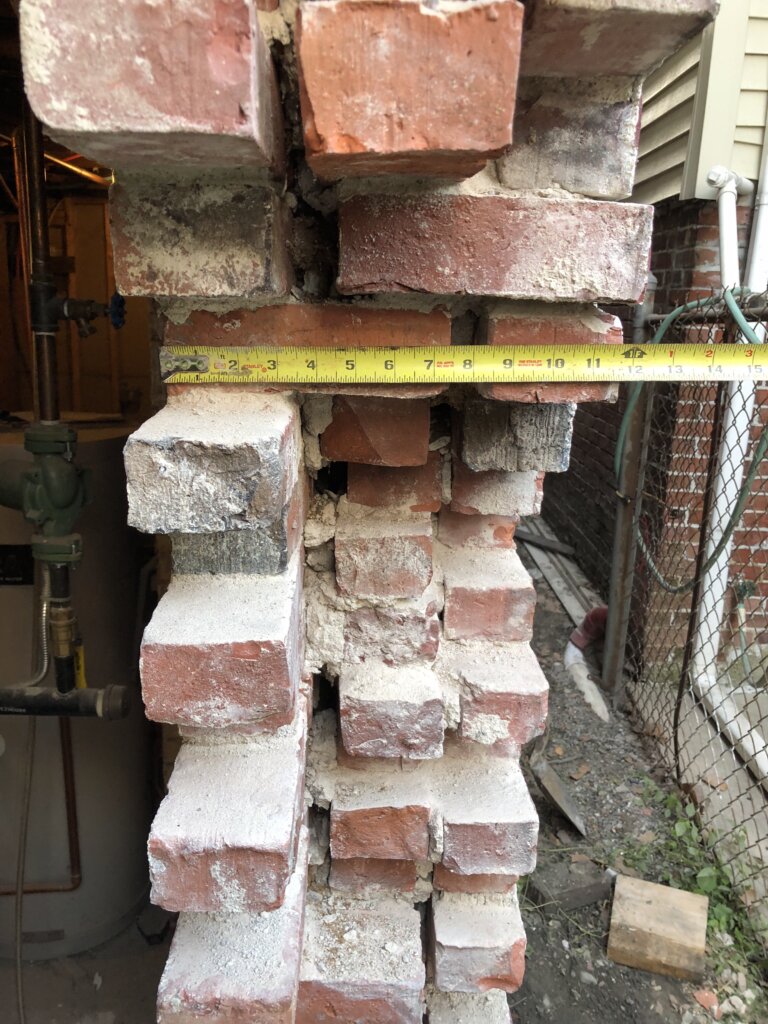
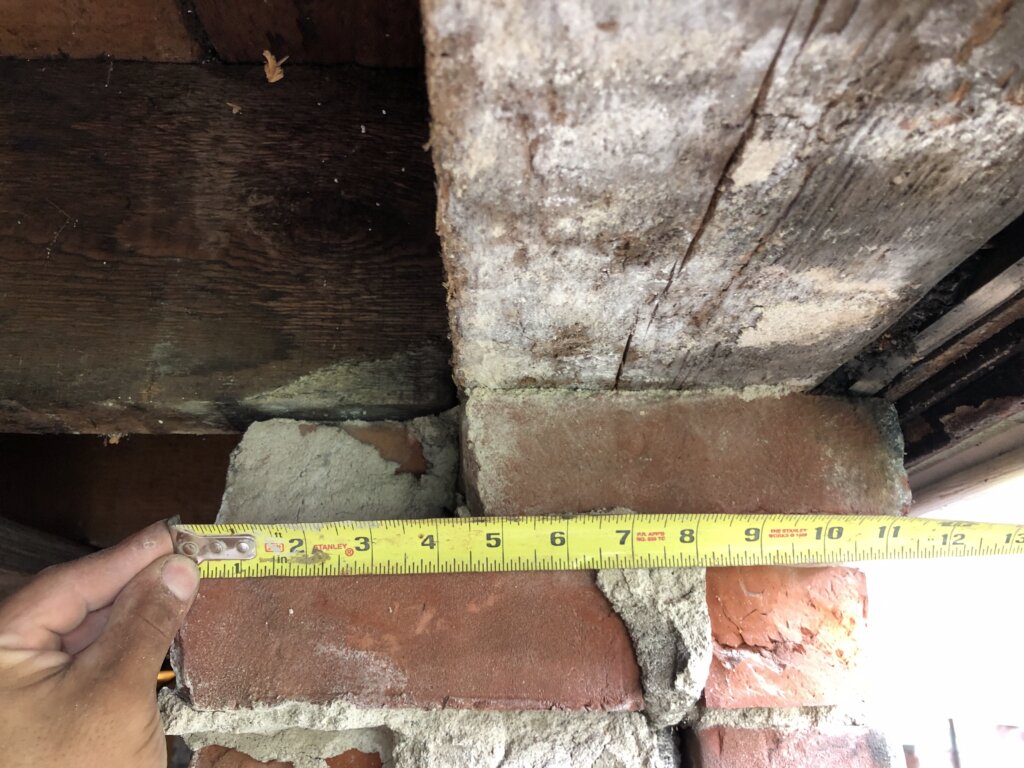
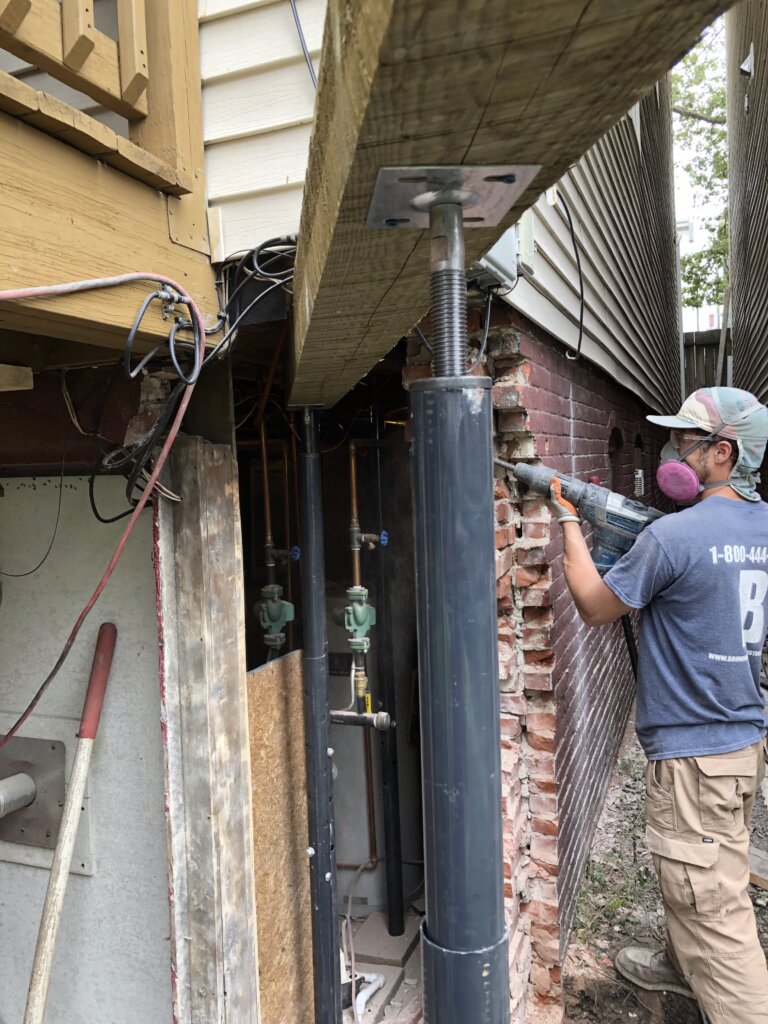
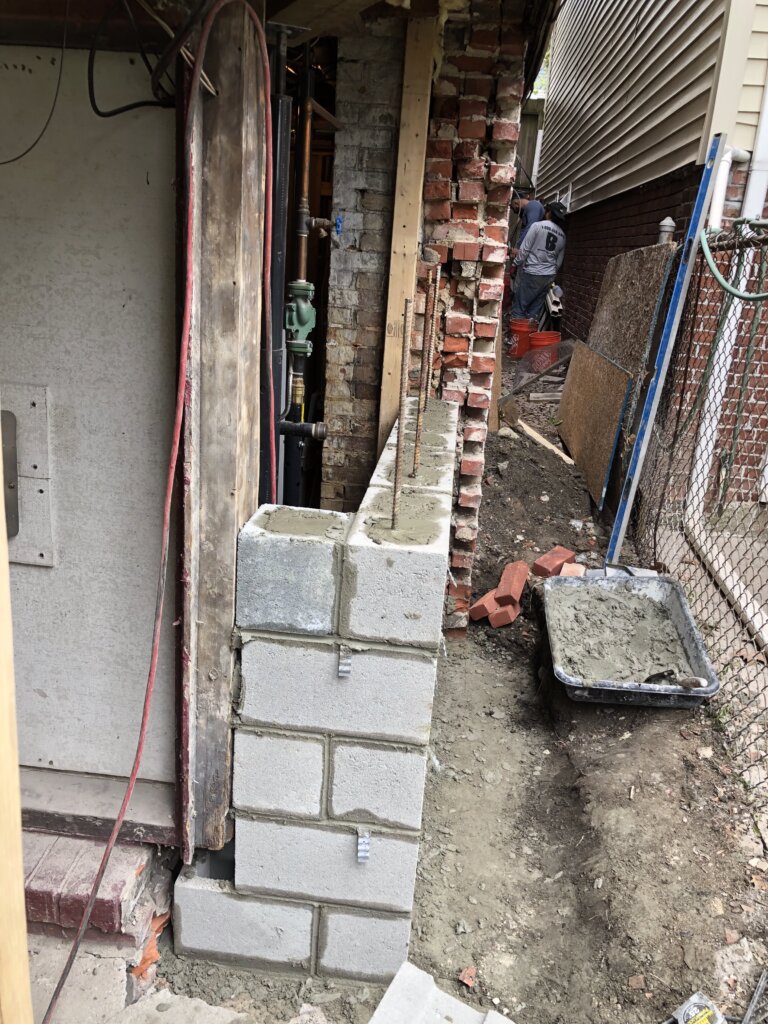
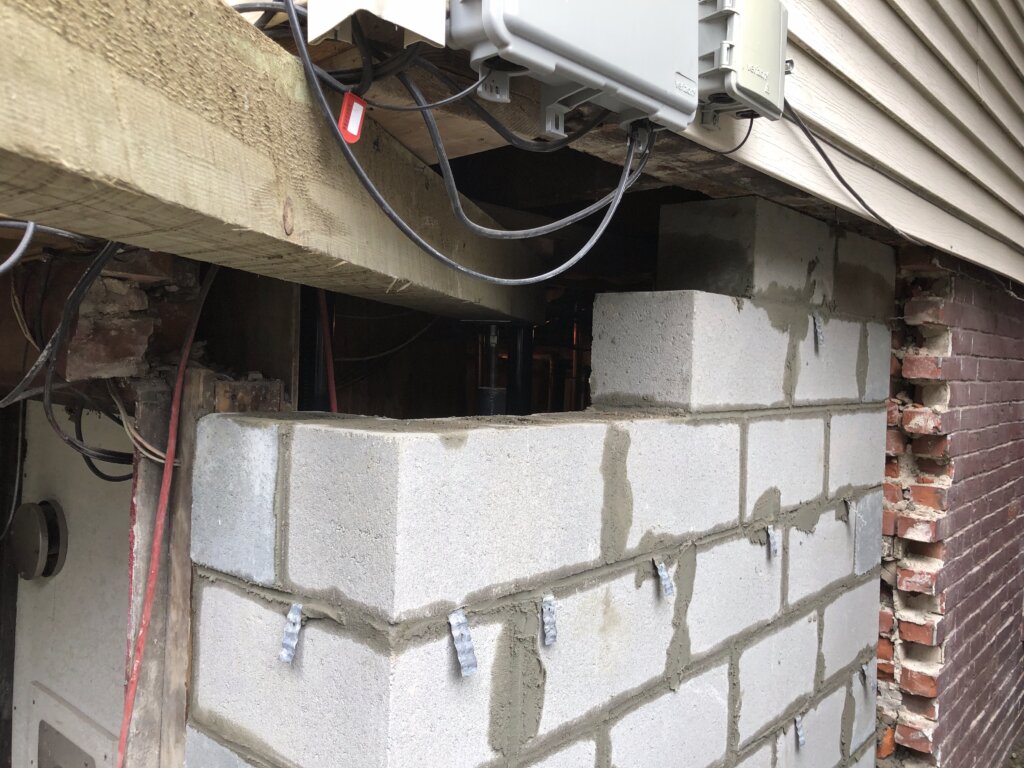
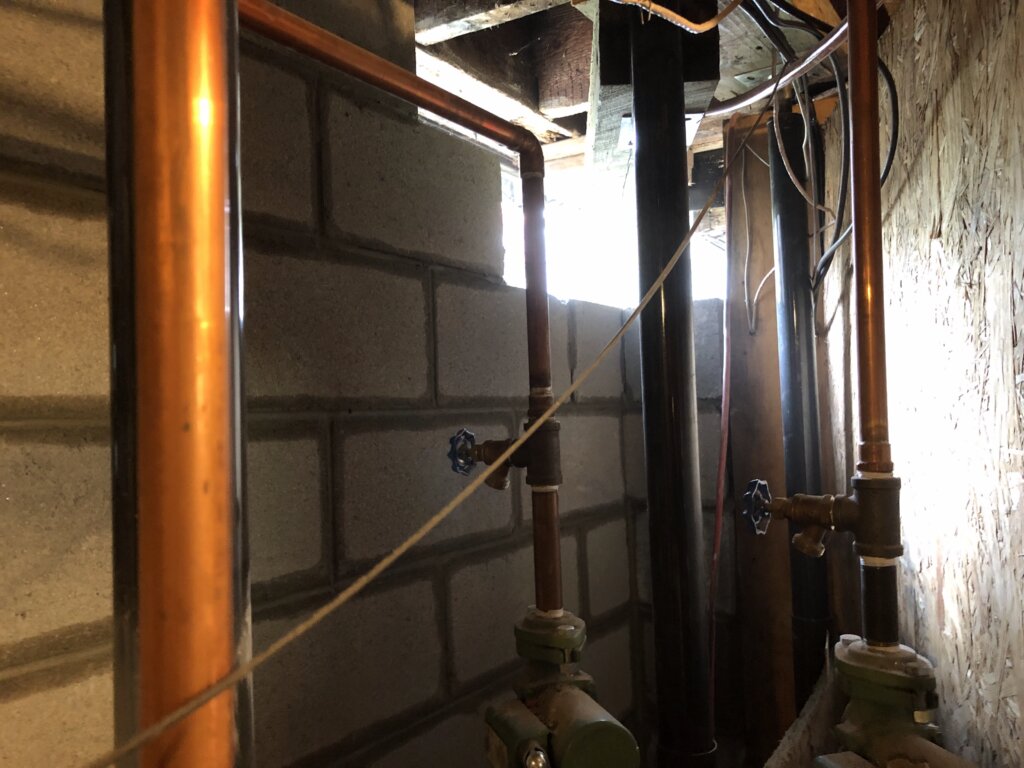
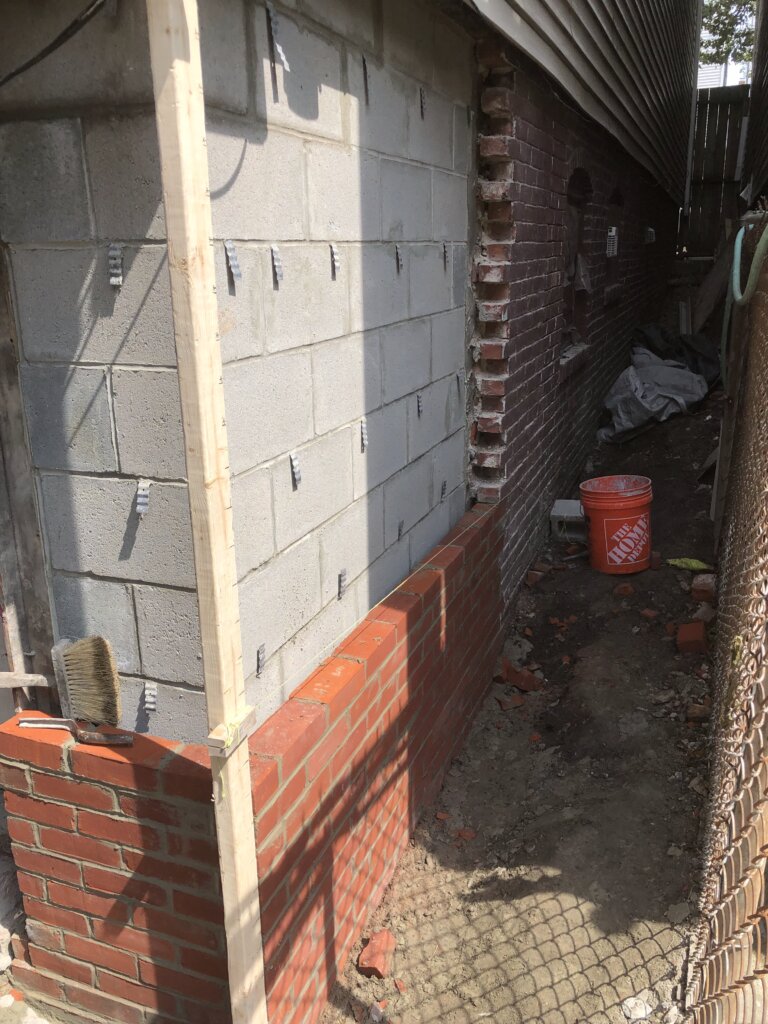
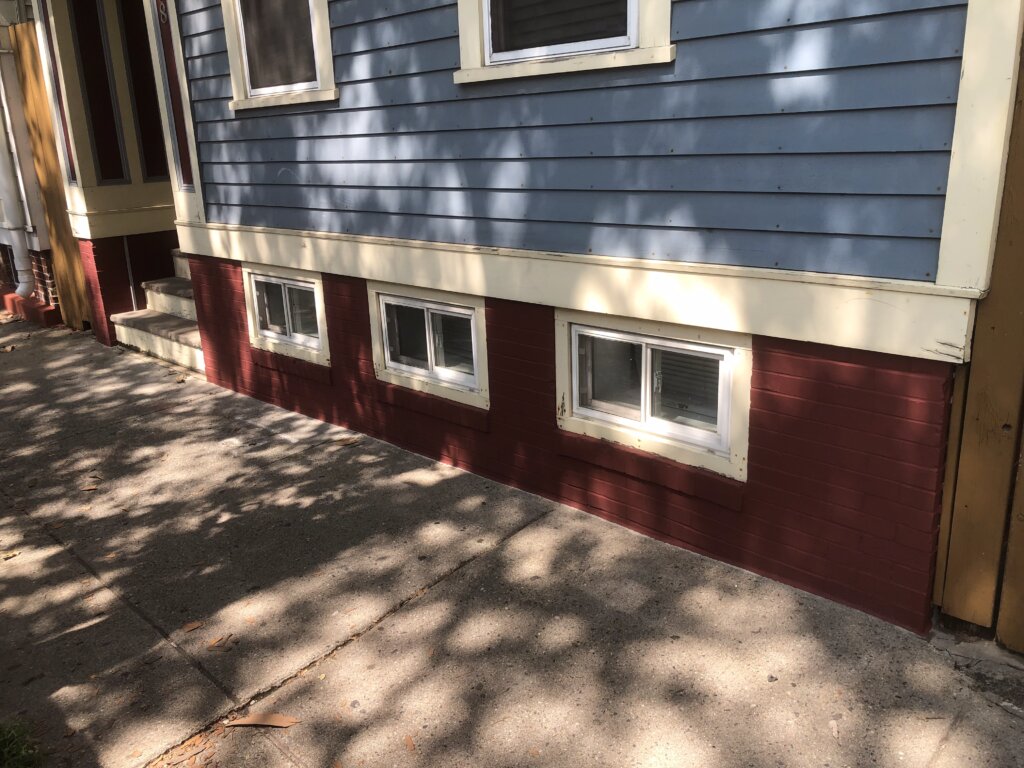
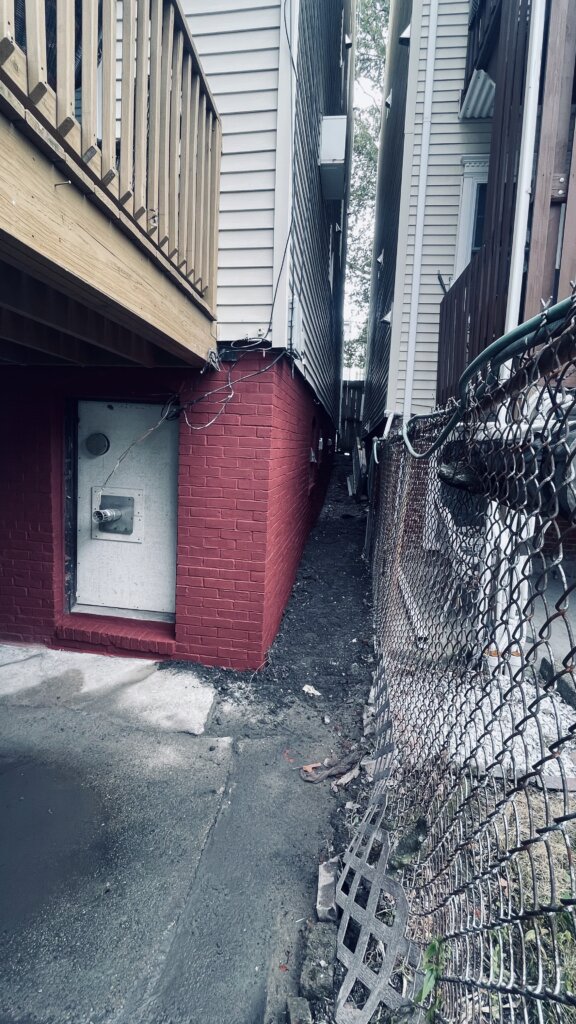
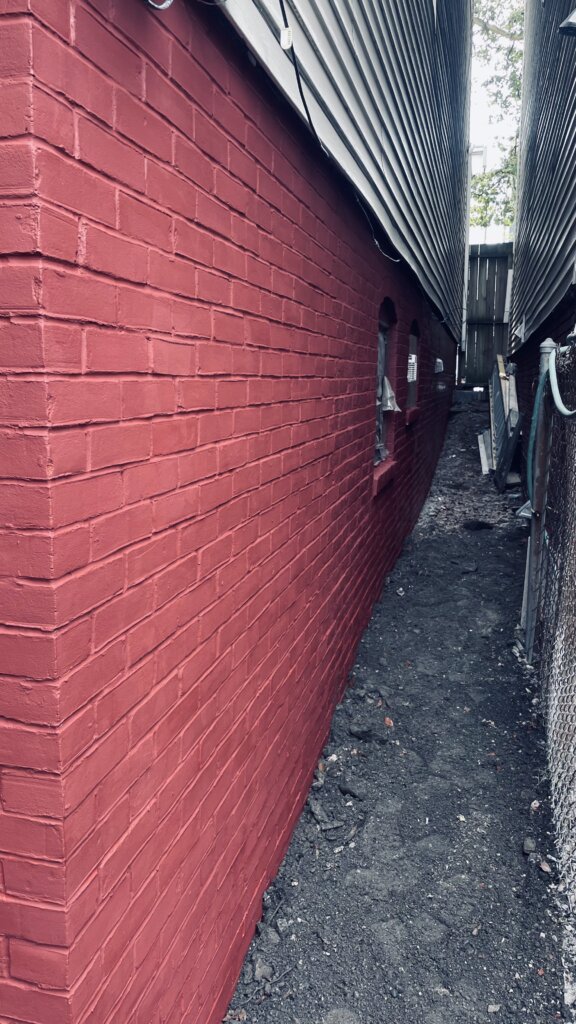
A Look Inside a Real Foundation Repair Project
Need a Second Opinion on Your Foundation?
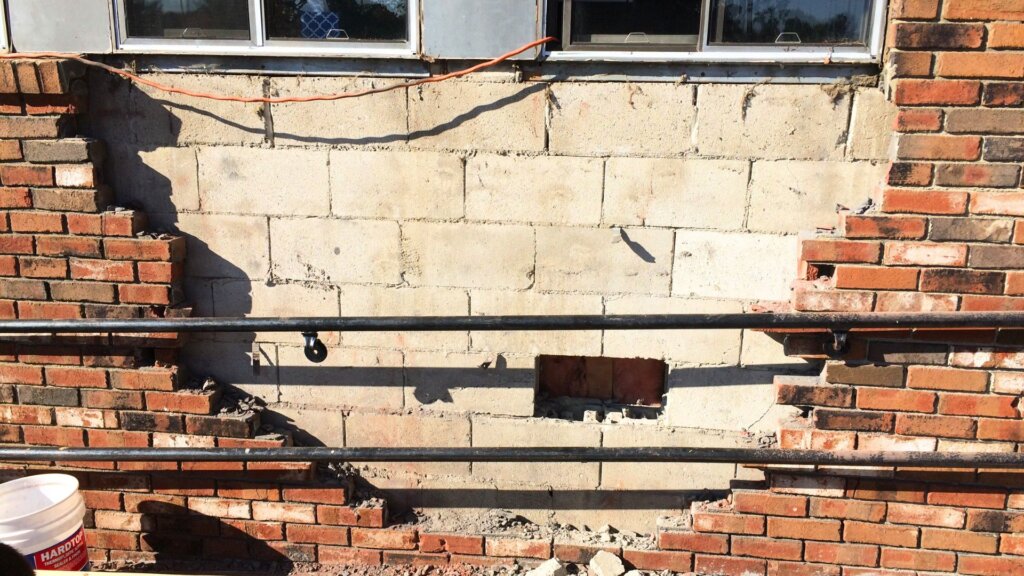
Foundation problems can feel overwhelming, especially when you’re not sure how serious the issue is or what it will take to fix it. Whether you’ve noticed cracks, settlement, moisture issues, or other warning signs, our team is here to help you understand what’s happening and recommend the right solution for your property.
Frequently Asked Questions
How do I know if I need foundation repair?
Some of the most common signs include cracks in the foundation, uneven or sloping floors, sticking doors or windows, water in the basement, bowing walls, or small gaps around window and door frames. None of these automatically mean there’s serious structural damage, but if you’ve noticed changes over time or something just doesn’t feel right, it’s a good idea to have it checked out.
Are foundation cracks always a problem?
Not always. Some cracks are simply part of normal settling as a home ages. Others can signal ongoing movement or a deeper structural issue. The size, location, and direction of the crack usually give a clearer picture of whether repair is actually needed.
What causes foundation problems in Boston, MA?
Around Boston, MA foundation issues are often linked to freeze-thaw cycles, shifting moisture levels, poor drainage, and moving soil. Over time, these conditions can put stress on a foundation. Older homes, in particular, tend to be more vulnerable as materials naturally break down.
Can a settling foundation be fixed?
In many cases, yes. A settling foundation can often be stabilized using solutions like helical piers, jacking and leveling, or structural reinforcement. The right approach depends on what’s causing the movement and how far it’s progressed.
How long does foundation repair take?
It really depends on the scope of the work. Smaller repairs, like minor crack fixes, might take a day or two, while more involved structural repairs can take longer. After an inspection, you’ll have a much clearer idea of what to expect.
What happens if you ignore foundation problems?
Foundation issues don’t usually fix themselves. While some small cracks may stay the same, problems like ongoing settlement, water intrusion, or wall movement tend to worsen over time and become more expensive to deal with the longer they’re left.
Do you offer foundation inspections in Boston and nearby areas?
Yes, we provide foundation inspections and repair services throughout Boston and surrounding communities like Cambridge, Burlington, Framingham, Peabody, Weymouth, and Salem. If you’re not sure whether we work in your area, reach out and we’ll be happy to let you know.
What should I do if I think my foundation is failing?
The best place to start is with a professional inspection. Catching the issue early can help limit further damage and give you a clear understanding of what, if anything, needs to be done.