
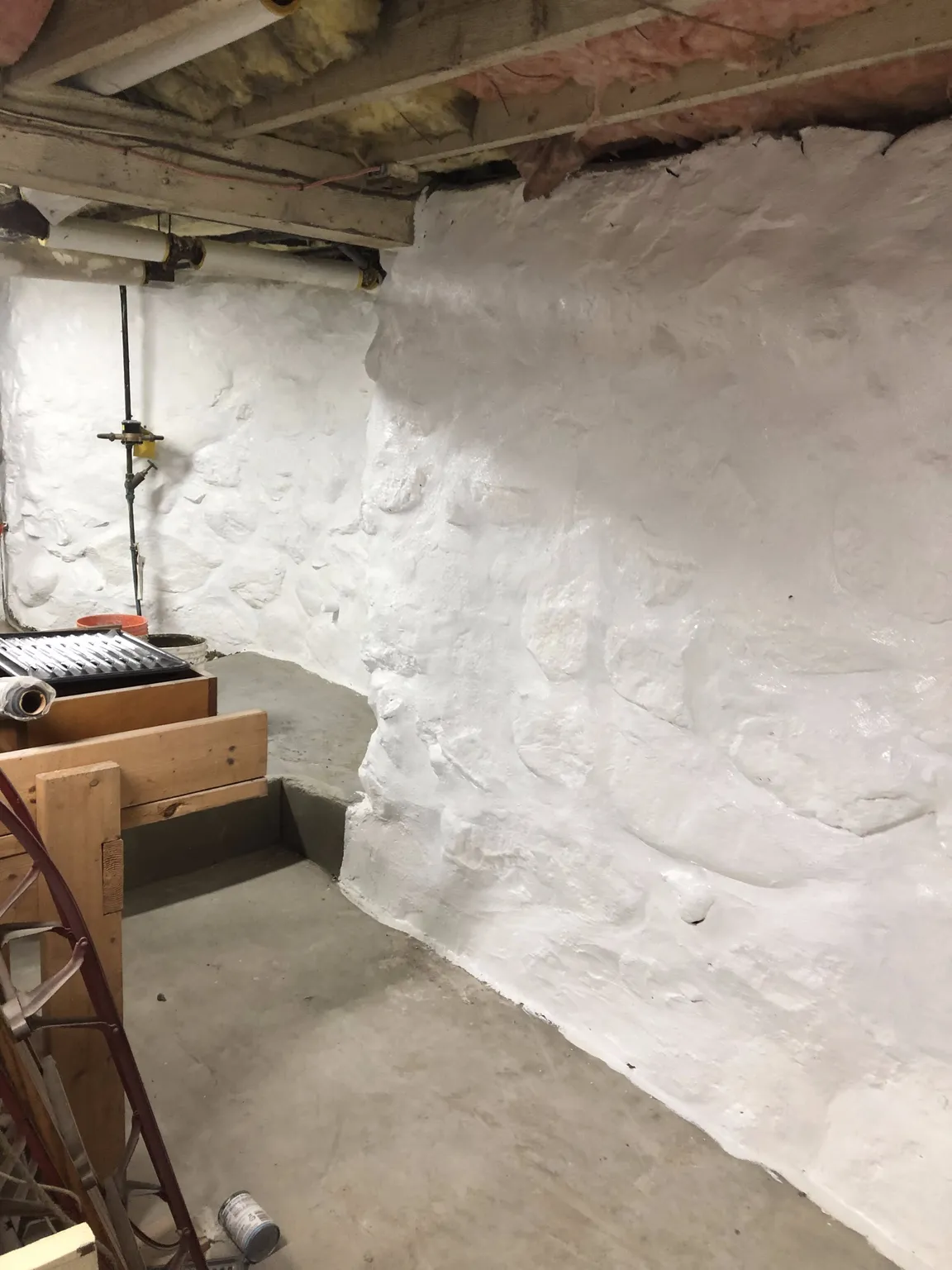
Signs You May Need Basement Waterproofing in Boston, MA
Water problems aren’t always obvious right away. In many cases, the first signs are small changes in the basement environment that homeowners may not immediately connect to moisture. If you’ve noticed any of the issues below, it may be a sign that water is finding its way into the space.
1
Water on the Basement Floor
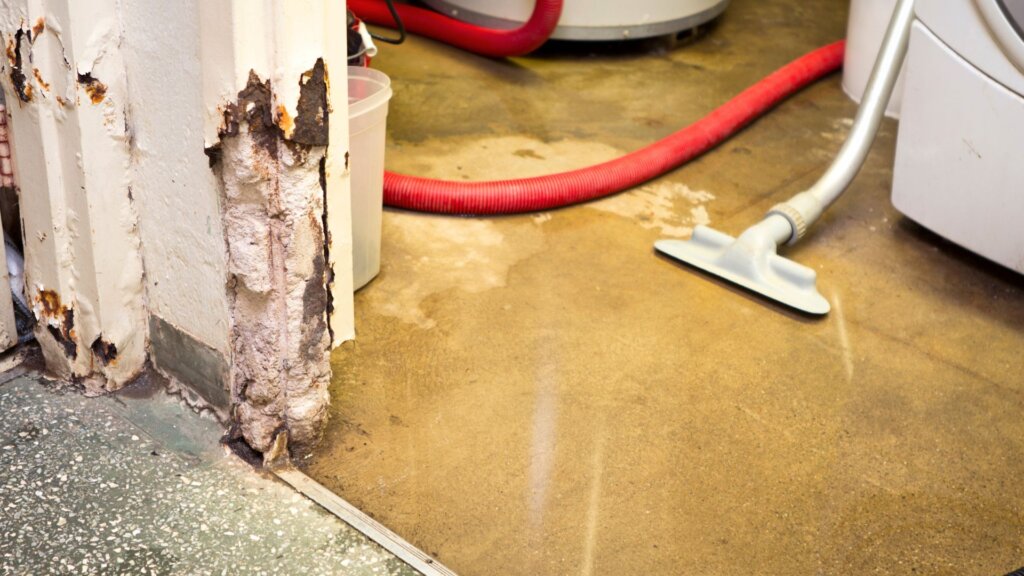
You clean up a small puddle and don’t think much of it. Then it happens again after the next storm. Recurring water, even in small amounts, is usually a sign that moisture is getting into the basement somewhere.
2
Water Seeping Through Walls
Sometimes the floor stays dry, but the walls tell a different story. Damp spots, dark streaks, or moisture showing up along the wall can all point to a water intrusion issue.
3
Musty Odors
Many homeowners notice the smell before they notice anything else. If the basement always seems damp or musty, excess moisture could be part of the reason.
4
Peeling Paint or White Stains
Basement walls aren’t supposed to shed paint. When paint starts bubbling or a white residue begins appearing on the surface, moisture is often involved.
5
Mold or Mildew Growth
A small patch of mold may not seem like a big deal at first, but it’s usually a sign that moisture has been hanging around longer than it should.
6
Cracks in Basement Walls
Most cracks don’t appear overnight. If you start noticing new cracks or existing ones getting larger, it’s worth paying attention to what might be causing them.
What Causes Basement Moisture in Boston, MA?
Basement moisture usually isn’t caused by just one issue. In many cases, it’s a combination of factors working together. Between Boston’s weather, soil conditions, and older homes, it’s not uncommon for basements to take on water, especially during heavy rain or snowmelt.
Heavy Rainfall: Boston gets its fair share of rain throughout the year, and when it comes down hard or sticks around for a while, the soil around your foundation can quickly become saturated. Once that happens, water starts looking for a way in, often slipping through small cracks, joints, or gaps.
Snowmelt: Spring can be just as challenging as a major rainstorm. As snow and ice melt, large amounts of water are released into the ground around the home. If the soil is already saturated or drainage is limited, that moisture can collect near the foundation and increase the likelihood of water finding its way into the basement.
Hydrostatic Pressure: Water doesn’t have to pour through a crack to cause problems. When saturated soil presses against basement walls and floors, it creates a force known as hydrostatic pressure. Over time, that pressure can push moisture through small openings, joints, and even porous concrete surfaces.
Poor Exterior Drainage: Sometimes the problem begins before water ever reaches the basement. Gutters clogged with leaves, downspouts that discharge too close to the home, or grading that slopes toward the foundation can all allow water to collect where it shouldn’t. The more moisture that accumulates around the foundation, the greater the chance of seepage.
Foundation Cracks: Not every crack is a serious structural concern, but cracks can create an easier path for water to enter. During periods of heavy rain or elevated groundwater levels, even relatively small openings may allow moisture to work its way inside.
Aging Waterproofing Systems: Many homes throughout Boston and the surrounding communities have been standing for decades. While that’s part of their character, it also means some properties are relying on older waterproofing materials and drainage systems. As those systems age, they often become less effective at keeping moisture out.
High Groundwater Levels: Some properties naturally deal with more groundwater than others. During particularly wet periods, groundwater levels can rise and place additional pressure on basement walls and floors. In these situations, moisture problems may develop even when there aren’t any obvious drainage issues around the home.
Basement Waterproofing Solutions for Boston, MA Homes
One of the biggest misconceptions about basement waterproofing is that there’s a one-size-fits-all fix. In reality, the right solution depends on where the water is coming from, how often it’s happening, and the conditions around your home. A basement that gets water during heavy rain may need a very different approach than one dealing with ongoing humidity or constant groundwater pressure.
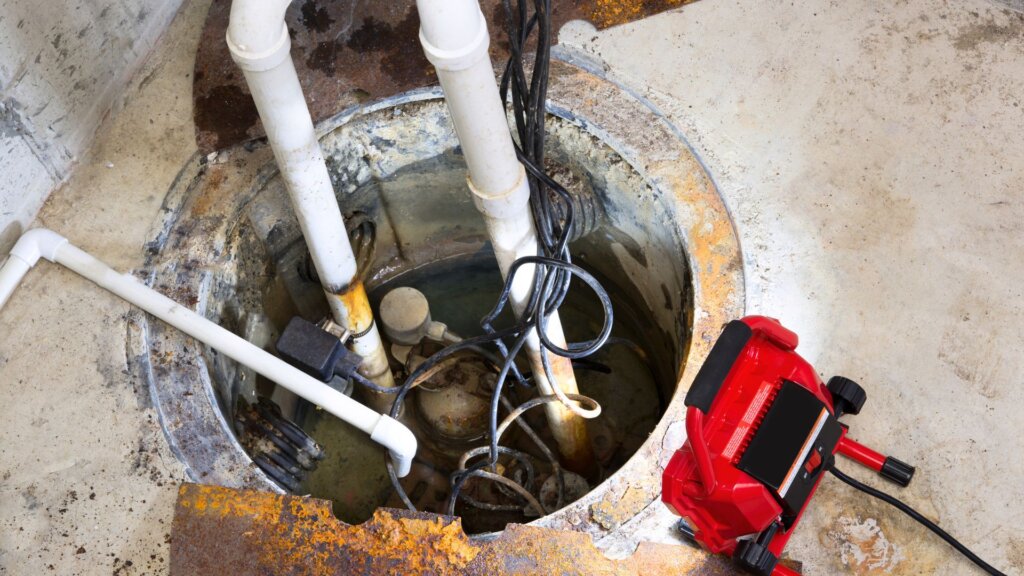
Interior Drainage and Sump Pump Systems
When water keeps finding its way into the basement, the goal is to control it and move it out before it spreads. Interior drainage systems collect water along the perimeter and direct it to a sump basin. From there, a sump pump pushes the water safely away from your foundation. These systems are commonly used when groundwater or frequent seepage is part of the problem.
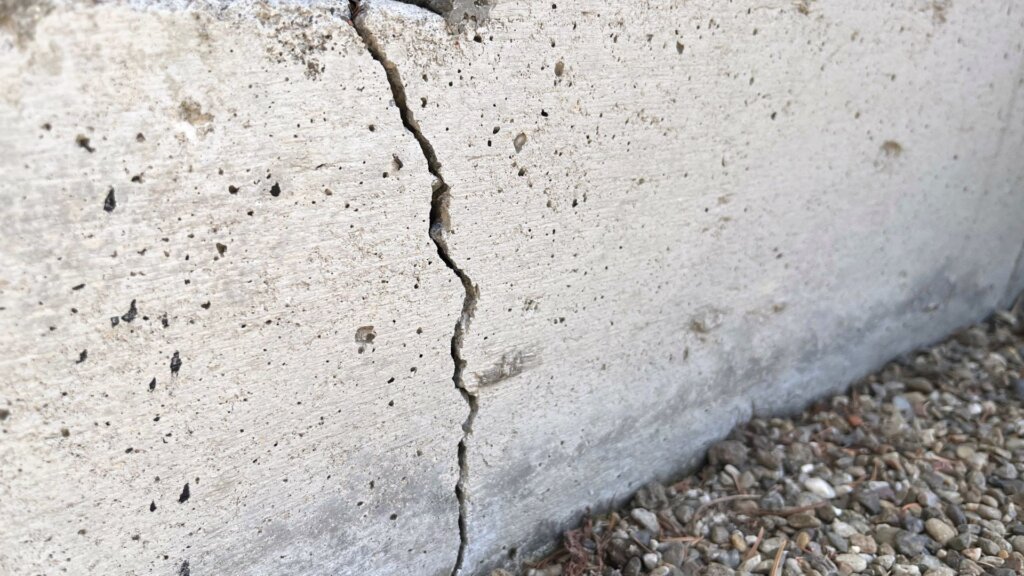
Crack Sealing and Repair
Not every crack is a concern, but if water is entering in the same spot, it’s usually a sign that the area needs attention. Sealing cracks in the foundation walls or floors can help block that entry point and prevent moisture from getting inside.
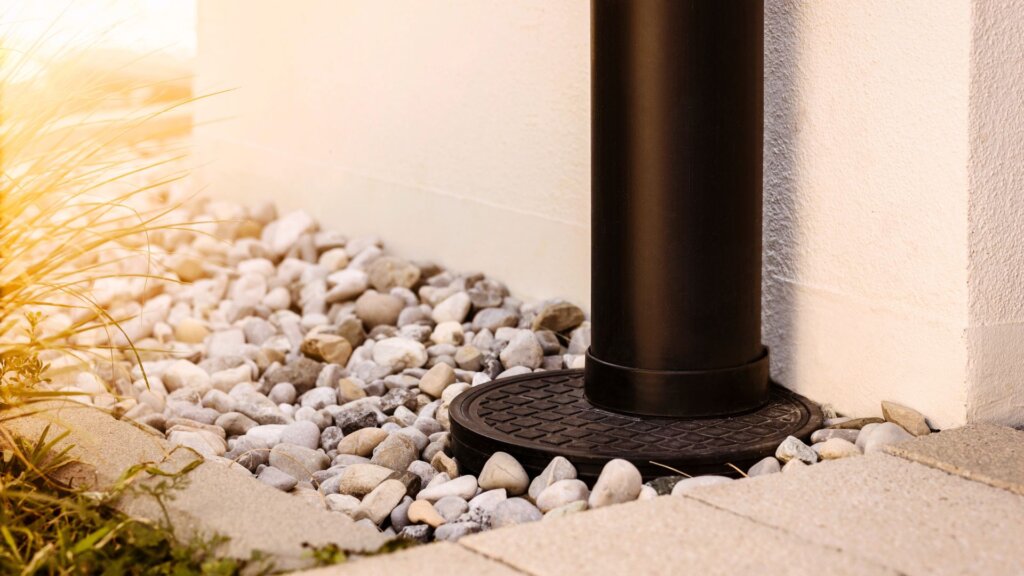
Drainage and Grading Improvements
In some cases, the issue starts outside. If water is pooling near your foundation, it can eventually make its way into the basement. Improvements like extending downspouts, adjusting the slope of the yard, or correcting drainage issues can help direct water away from your home.
Exterior Waterproofing
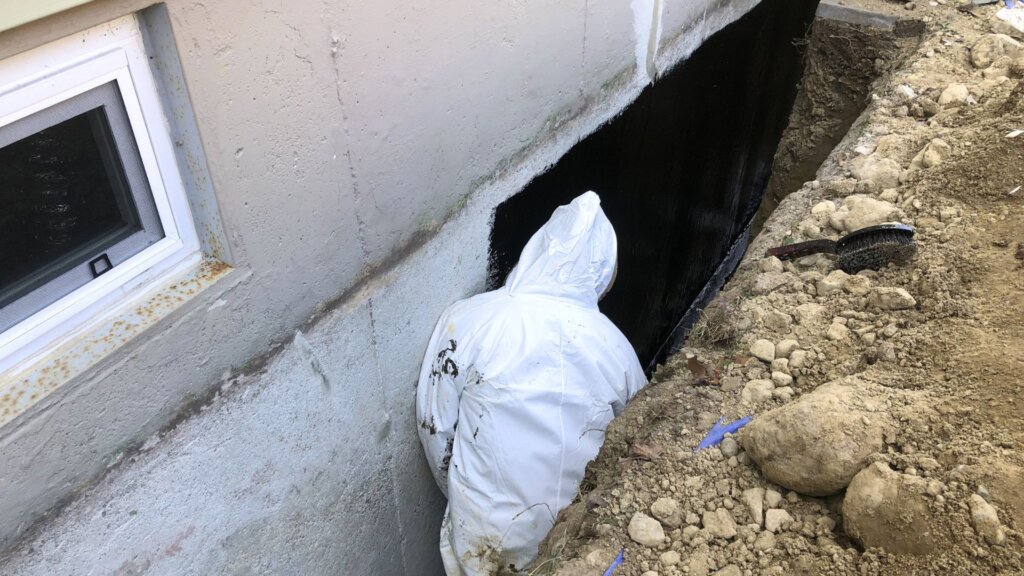
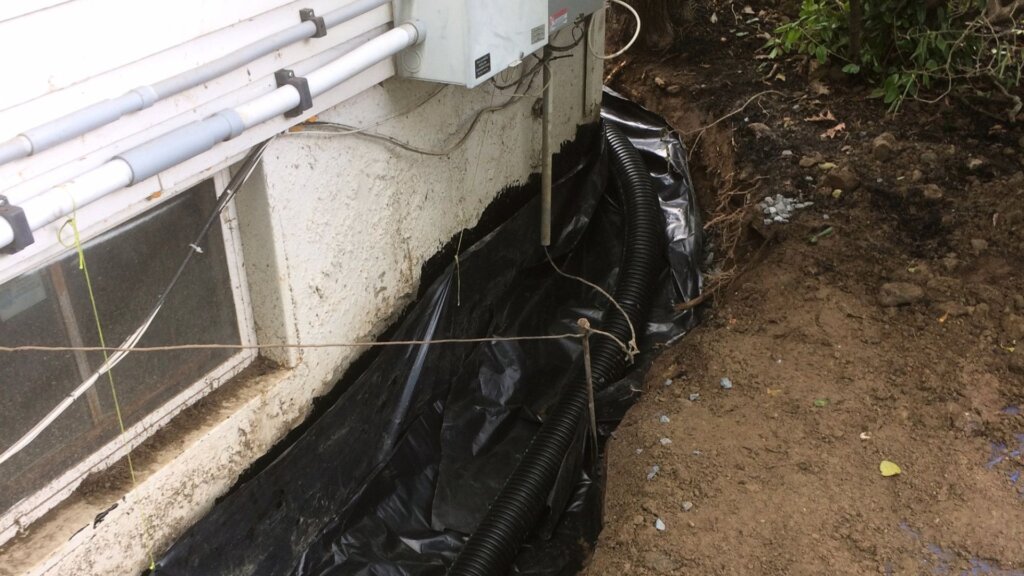
For some homes, the most effective approach is to stop water before it ever reaches the foundation. Exterior waterproofing focuses on keeping moisture away from basement walls and may involve excavation, waterproof coatings or membranes, and drainage upgrades. It’s not always necessary, but it can be a strong long-term solution when outside water intrusion is the main issue.
Why Basement Moisture Shouldn’t Be Ignored
Mold and Mildew Growth
Moisture creates the kind of environment where mold and mildew can easily grow. It may begin in one small area, but it rarely stays contained. Over time, it can spread and make your basement feel damp, musty, and harder to keep clean.
Damaged Belongings
It’s common to use the basement for storage, but moisture can quietly damage the items you keep there. Boxes can weaken, furniture can absorb moisture, and important items can be ruined without any obvious warning signs.
Wood Rot and Decay
When moisture is consistently present, it can begin to wear down wood framing, support beams, and other materials. This kind of damage usually happens gradually, but it can become serious if it continues unchecked.
Air Quality Concerns
The air in your basement doesn’t stay isolated from the rest of your home. As moisture builds, it can lead to musty odors and increased humidity that affect other living areas and make the entire home feel less comfortable.
Schedule a Basement Waterproofing Evaluation in Boston, MA
Concerned about water in your basement? Whether it’s occasional dampness or a problem that keeps coming back, our team can help you figure out what’s causing it and walk you through the right solution for your home.
Frequently Asked Questions
Why is my basement leaking?
Basement leaks can happen for a few different reasons. In many cases, it comes down to things like heavy rain, melting snow, foundation cracks, or water building up around the home due to poor drainage. The key is figuring out where the water is coming from so the right fix can be put in place.
Do all wet basements need a sump pump?
Not always. Some issues can be handled with crack repairs or improvements to drainage around the home. Sump pumps are typically recommended when water keeps coming back or when groundwater is a consistent issue.
Can waterproofing be done from the inside?
Yes, in many cases it can. Interior solutions like drainage systems, sump pumps, and crack sealing can help manage water without digging around the foundation. The best approach depends on what’s causing the problem.
How long does basement waterproofing last?
It really depends on the type of solution and the conditions around your home. That said, many systems are designed to provide long-term protection when they’re installed properly and maintained over time.
Is basement waterproofing worth it?
For most homeowners, it is. Waterproofing helps protect your home from ongoing moisture issues like mold, damaged items, and gradual wear on the foundation. Taking care of the problem early on can also help you avoid more expensive repairs later.
Can waterproofing help prevent mold?
Yes, it can help reduce the conditions that allow mold to grow. While it won’t remove mold that’s already there, controlling moisture is one of the most important steps in preventing it from coming back.
What’s the difference between dampness and a leak?
Dampness usually means there’s excess moisture or humidity in the air, while a leak involves water actively entering the basement through a crack or opening. Both are signs that moisture is present and should not be ignored.
How much does basement waterproofing cost?
Costs can vary quite a bit depending on the size of the basement, the source of the problem, and the type of solution needed. Some situations are fairly simple, while others require more involved work. A professional inspection is usually the best way to get a clear answer.