
A foundation repair estimate is only useful if you understand what the contractor is actually proposing to do. To determine whether an estimate is fair, compare the diagnosis, scope of work, repair method, materials, exclusions and expected outcome instead of comparing the final price alone.
Two estimates can have very different totals and both appear reasonable because they may be addressing different problems or using different repair methods. Before choosing a contractor, make sure you are comparing the same scope of work.
Start With the Problem, Not the Price
The first question to ask when reviewing an estimate is simple: What problem is this estimate supposed to fix?
A contractor should be able to explain what they observed and what they believe is causing it.
For example, suppose you notice a crack in a basement wall.
One contractor may conclude that it is a non-structural crack that needs sealing. Another may identify signs of movement and recommend stabilization. A third may believe water pressure or drainage is contributing to the condition.
The estimates could be thousands of dollars apart.
That does not automatically mean someone is overcharging.
It means you first need to understand whether the contractors are diagnosing the same problem.
A fair comparison starts with the diagnosis.
What Should Be Included in a Foundation Repair Estimate?
A professional estimate should provide enough information for you to understand the proposed work.
The exact format varies by contractor, but look for information about:
The Location of the Repair
The estimate should identify where the work will take place.
Is it one section of the basement wall? The entire foundation? An exterior wall? A crawl space? A particular area affected by settlement?
The more clearly the work area is defined, the easier it is to compare proposals.
The Type of Repair
The estimate should identify the general repair being proposed.
Depending on the problem, this could involve:
- Crack repair
- Structural reinforcement
- Wall stabilization
- Pier installation
- Underpinning
- Masonry repair
- Concrete repair
- Waterproofing
- Drainage improvements
You do not need to be a structural engineer to understand the basic purpose of the recommended work. The contractor should explain it in plain language.
Materials and Equipment
Major materials and systems should be identified where appropriate.
If specialized equipment or structural components are involved, ask what they are and why they are necessary.
Labor and Preparation
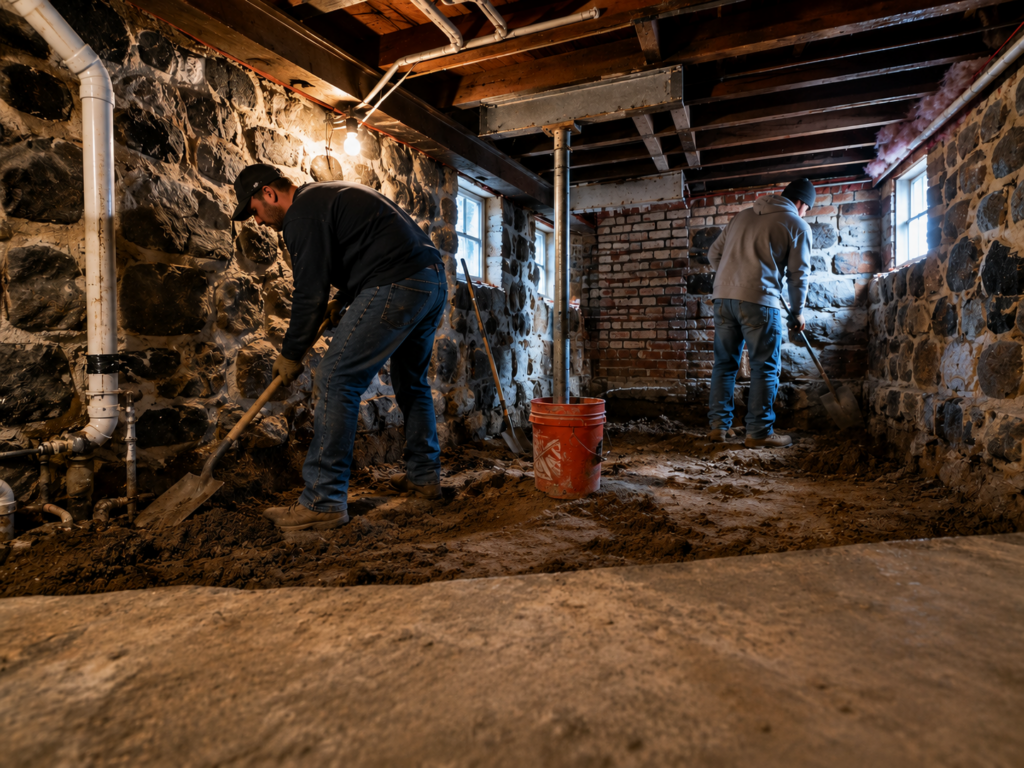
Find out whether the price includes demolition, excavation, preparation, installation, cleanup and other necessary work.
Restoration
Foundation repairs can disturb finished areas, landscaping or exterior surfaces.
If excavation is required, ask what happens to the disturbed area afterward.
The goal is to understand the complete project, not just the repair itself.
Compare Scope Before Comparing Price
This is the most important rule when reviewing foundation repair estimates.
Imagine you receive these two proposals:
Estimate A: $7,500
Estimate B: $12,500
At first glance, Estimate A appears better.
But then you discover that Estimate A addresses one section of the wall while Estimate B includes stabilization across a larger area and repairs related masonry deterioration.
The $5,000 difference is no longer a simple price difference.
It is a scope difference.
This happens frequently with construction work because homeowners naturally focus on the final number. But the final number only makes sense when you know what it buys.
Question | Contractor A | Contractor B |
Problem identified | ||
Area being repaired | ||
Repair method | ||
Materials included | ||
Waterproofing included? | ||
Drainage work included? | ||
Excavation included? | ||
Cleanup included? | ||
Restoration included? | ||
Warranty information | ||
| Exclusions | ||
Total price |
This makes differences much easier to identify.
Ask Why the Repair Is Necessary
A reputable contractor should be able to explain why a particular repair is being recommended.
Do not hesitate to ask:
“What happens if I do not perform this part of the repair?”
That question can be very revealing.
If a contractor recommends structural reinforcement, ask what condition makes the reinforcement necessary.
If a contractor recommends waterproofing, ask where the water is coming from and why the proposed system addresses that source.
If a contractor recommends a pier or underpinning system, ask what evidence indicates that the foundation requires stabilization.
You are not trying to challenge the contractor. You are trying to understand the relationship between the problem and the proposed solution.
Watch for Vague Estimates
An estimate that simply says “foundation repair” followed by a dollar amount does not give you much information.
You should be able to determine what work is included.
Vague descriptions can create problems later because the homeowner and contractor may have different expectations about what the project includes.
Ask for clarification before signing.
For example, instead of accepting:
Foundation repair — $10,000
you should have enough information to understand the area, repair method and major work involved.
The more complicated the project, the more important this becomes.
Understand Exclusions and Potential Additional Costs
A proposal can be accurate while still excluding certain work. Before moving forward, it is important to understand the construction contract and what is included in the agreed-upon scope of work.
For example, an exterior foundation repair may require excavation near a walkway or landscaping. The contractor may repair the foundation but not restore landscaping unless that work is specifically included.
Likewise, a waterproofing project may address water intrusion without including unrelated structural repairs discovered during the project.
Ask:
- What is not included?
- What could cause the price to change?
- How would additional work be approved?
- Will I receive written notice before additional charges?
- Are permits included if required?
- Is restoration included?
These questions can prevent misunderstandings.
Be Careful When Estimates Recommend Completely Different Solutions
If three contractors inspect the same foundation and recommend three completely different approaches, do not automatically choose the middle-priced option.
Find out why they disagree.
Ask each contractor to explain:
- What they believe is causing the problem.
- What evidence supports that conclusion.
- Why their repair method addresses the cause.
- What could happen if the repair is delayed.
- Whether a less extensive repair would be appropriate.
This process can help you distinguish a meaningful difference in diagnosis from a simple difference in pricing.
How Many Foundation Repair Estimates Should You Get?
There is no magic number, but homeowners considering a significant repair may benefit from comparing multiple qualified contractors.
The purpose is not to collect as many estimates as possible.
The purpose is to understand the range of recommended solutions and determine whether the contractors are identifying the same underlying issue.
If two contractors independently recommend similar work and pricing while a third proposes a dramatically different solution, investigate the reason for the difference.
Sometimes the outlier is seeing something others missed. Sometimes it is proposing a scope that is much larger than necessary.
Questions are more useful than assumptions.
What Makes a Foundation Repair Estimate Look Fair?
A fair foundation repair cost estimate should make sense in relation to the property’s condition.
You should be able to answer:
- What is wrong?
- Why does it need to be repaired?
- What will the contractor do?
- Why is that method appropriate?
- What area is included?
- What materials are involved?
- What is excluded?
- What will the completed project look like?
- What happens if additional work is discovered?
If you cannot answer those questions from the estimate and your conversation with the contractor, ask for clarification.
A transparent estimate is easier to evaluate than a low number with little explanation.
Choosing Between Similar Estimates
Suppose two contractors identify the same problem and propose similar solutions.
Now the comparison becomes more straightforward.
Consider:
- Relevant experience
- Communication
- Documentation
- Warranty terms
- Project scope
- Schedule
- References or reviews
- Insurance and licensing
- How clearly the contractor answered your questions
Price still matters, but it is only one part of the decision.
Foundation repair is work that affects the structure and long-term condition of the property. Saving money upfront is not useful if the repair does not address the underlying problem.
When You Need a Foundation Repair Estimate
Do not wait for a foundation problem to become severe before seeking professional advice.
Signs that justify an evaluation can include:
- Cracks that appear to be growing
- Horizontal or stair-step cracking
- Bowing foundation walls
- Uneven floors
- Doors or windows that suddenly stick
- Repeated basement water intrusion
- Gaps around doors or windows
- Deteriorating foundation masonry
- Visible settlement
- Changes that seem to be progressing over time
These symptoms do not automatically mean you need an expensive repair.
They mean you have enough information to justify finding out what is happening.
Boston Foundation Repair offers foundation repair services in Boston and provides inspections and estimates for homeowners evaluating foundation concerns. You can learn more through its Foundation Repair in Boston, MA service page.
Frequently Asked Questions
What should a foundation repair estimate include?
It should explain the problem being addressed, location and scope of work, proposed repair method, significant materials, exclusions and other important project details. Ask about preparation, cleanup, restoration and potential additional costs as well.
Why are two foundation repair estimates so different?
The contractors may be diagnosing different problems or proposing different repair methods and scopes. Compare what each contractor is actually doing before deciding which price is higher or lower.
Is a detailed foundation repair estimate better than a simple quote?
For a significant project, a detailed estimate is generally easier to evaluate because you can see what is included and excluded. A simple total without a clear scope makes meaningful comparison more difficult.