
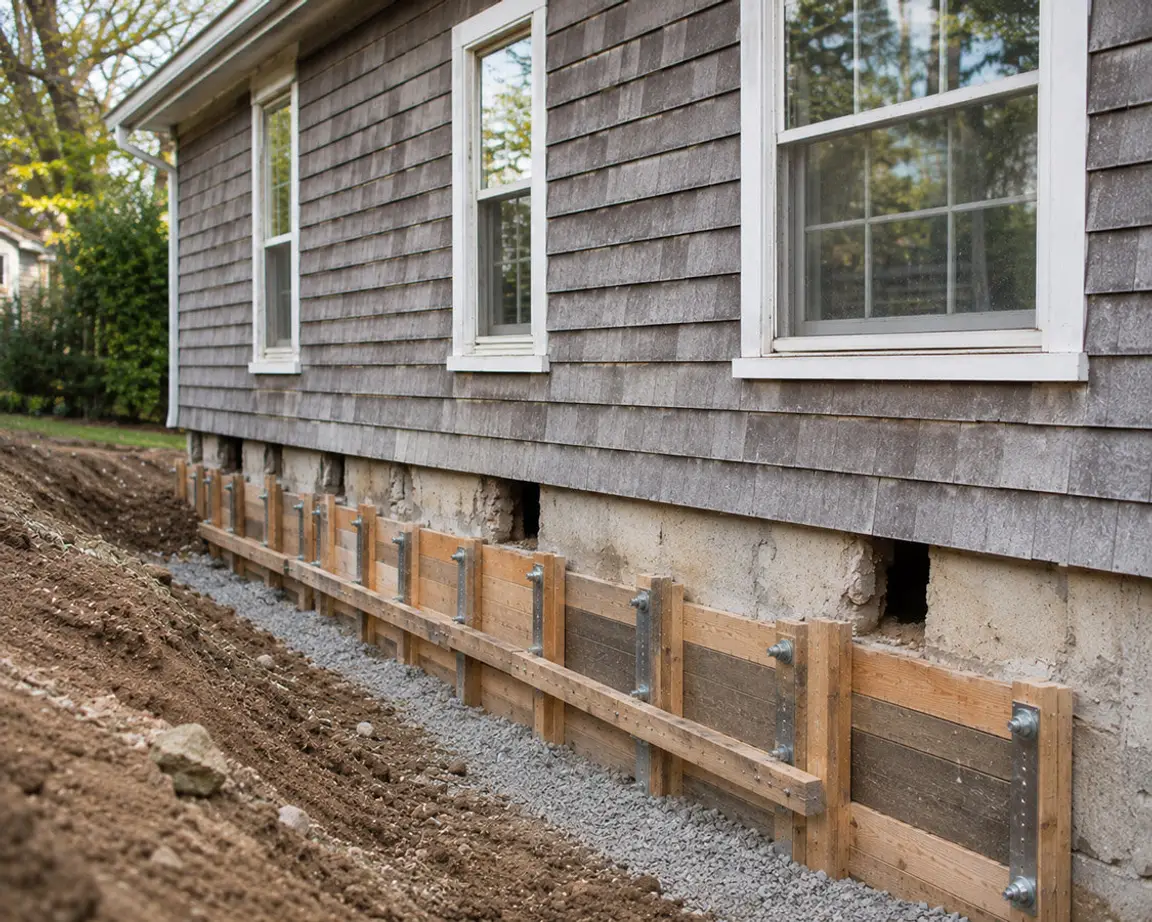
Why Residents of Cambridge Choose Boston Foundation Repair for House Leveling
When your home starts showing signs of foundation settlement, you want a team that understands the importance of identifying the problem before recommending a repair. Boston Foundation Repair works with Cambridge homeowners to assess foundation concerns, including uneven floors, settling foundations, and structural movement. By evaluating the condition of your property, our team can help determine whether house leveling, foundation stabilization, or another repair approach may be the right solution.
Every home has different foundation needs, especially in a city like Cambridge with its mix of older homes and varied building conditions. Boston Foundation Repair offers foundation leveling and lifting services designed to address these concerns based on the property’s specific condition.
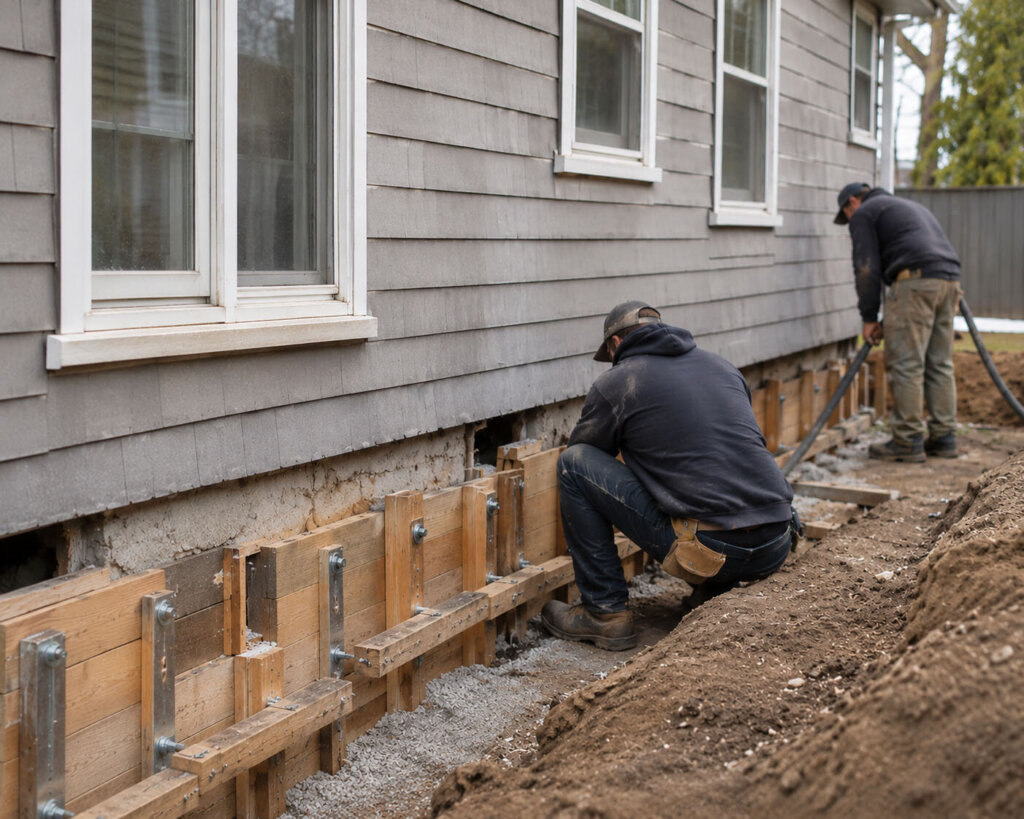
House Leveling Service Client Reviews
Historic Home Brought Back to Life
“Bruno and his team helped restore our 110 year old house. There was an entire corner to demolish, redo the basement foundation, and then recreate exactly as it would have been originally, recovering and reusing as much of the original granite. They reconditioned our 12′ fireplace with a granite mantel and hearth. If you want a quality professional mason, have them do your job.”
-Steve S.
Boston, MA
Straightforward Service with No Surprises
“Boston Foundation Repair provided transparent and honest services throughout my foundation repair. They explained the extent of the damage, the necessary repairs, and the associated costs. There were no hidden fees.”
-Nguyen H.
Boston, MA
Cracks in Your Basement Walls? No Problem!
“We are facing cracks in our basement for the very long time. So we hired Boston Foundation Repair and their team repaired our foundation damage promptly and professionally. We are very thrilled with the outcome. Highly recommended!”
-Samantha G.
Boston, MA
Signs You May Need House Leveling in Cambridge, MA
Foundation settlement can develop gradually, which means homeowners may not notice a problem until it begins affecting everyday comfort. A floor that once felt level may start to slope, or doors and windows may become harder to operate. These signs do not automatically mean your home needs to be lifted, but they are worth investigating.
1
Uneven or Sloping Floors
If you notice that furniture seems to lean, objects roll across the floor, or one side of a room feels lower than the other, there may be movement beneath the structure. Uneven floors can be caused by foundation settlement, weakened supports, or other structural conditions.
2
Doors and Windows That Stick
Doors that suddenly become difficult to open or windows that no longer fit properly may indicate changes in the structure. When a foundation settles unevenly, the framing above it can shift, affecting door and window openings.
3
Cracks in Interior Walls or Ceilings
Cracks around doorways, windows, or where walls meet ceilings may appear as a home experiences movement. Small cracks can also develop from normal material changes, so their size, location, and whether they are growing should be considered.
4
Gaps Around Doors, Windows, or Trim
Have you noticed gaps forming between the trim and the wall, or between the floor and baseboards? These changes may occur when parts of a home shift or settle. If the gaps are new or becoming more noticeable, it may be time to have the structure evaluated.
5
A Chimney That Appears to Be Separating
Exterior features such as porches, chimneys, or additions may settle differently from the main house. Visible gaps where these structures connect can sometimes indicate movement in their supporting foundations.
6
Foundation Cracks or Visible Settlement
Cracks in foundation walls, sinking sections, or areas where the foundation appears to have moved deserve attention. Some cracks are minor, while others may be connected to structural settlement. A professional assessment can help determine whether leveling, stabilization, or a different repair is needed.
What Causes House Leveling Problems in Cambridge, MA?
House leveling is generally considered when part of a home has settled or shifted and is no longer adequately supported. The cause can vary from one property to another. Cambridge has a mix of older homes, different foundation types, and changing seasonal weather conditions, so the right repair depends on the property’s specific situation.
Soil Settlement: Soil beneath a home can compress or shift over time. If the ground cannot adequately support the weight of the structure, part of the foundation may begin to settle.
Changes in Soil Moisture: Heavy rainfall, snowmelt, or extended dry periods can change the moisture conditions around a foundation. Depending on the soil and drainage conditions, these changes may contribute to movement or uneven support.
Poor Drainage Around the Foundation: When gutters, downspouts, or yard grading allow water to collect near the home, the soil around the foundation may become saturated. Water-related problems can also contribute to foundation deterioration or settlement.
Aging Foundation or Structural Supports: Older homes may have foundations or support systems that have experienced decades of wear. Deterioration, inadequate support, or changes to the structure can contribute to uneven floors and settlement.
Inadequate or Shifting Support: In some cases, the original foundation or support system may no longer provide sufficient support for the structure. The appropriate solution may involve strengthening or adding support rather than simply lifting the affected area.
Previous Repairs or Structural Changes: Past renovations, additions, or repairs may affect how a home’s weight is distributed. If the underlying support was not addressed, movement may continue in certain areas.
My Cambridge home has uneven floors. Does it need house leveling, or could it be another issue?
Uneven floors can be a sign of foundation settlement, but they are not always caused by the foundation itself. Floor joists, beams, subflooring, and other structural components can also contribute to sloping or uneven surfaces.
The best way to determine whether house leveling is appropriate is to evaluate the condition of the foundation and the structure above it. Boston Foundation Repair provides foundation inspections and assessments in Cambridge, including services related to leveling and lifting. The goal is to identify the source of the problem before recommending a repair.
House Leveling Solutions for Cambridge, MA Homes
Not every uneven home needs the same type of repair. The right approach depends on what has moved, how much settlement has occurred, the condition of the existing foundation, and whether the underlying cause is still active.
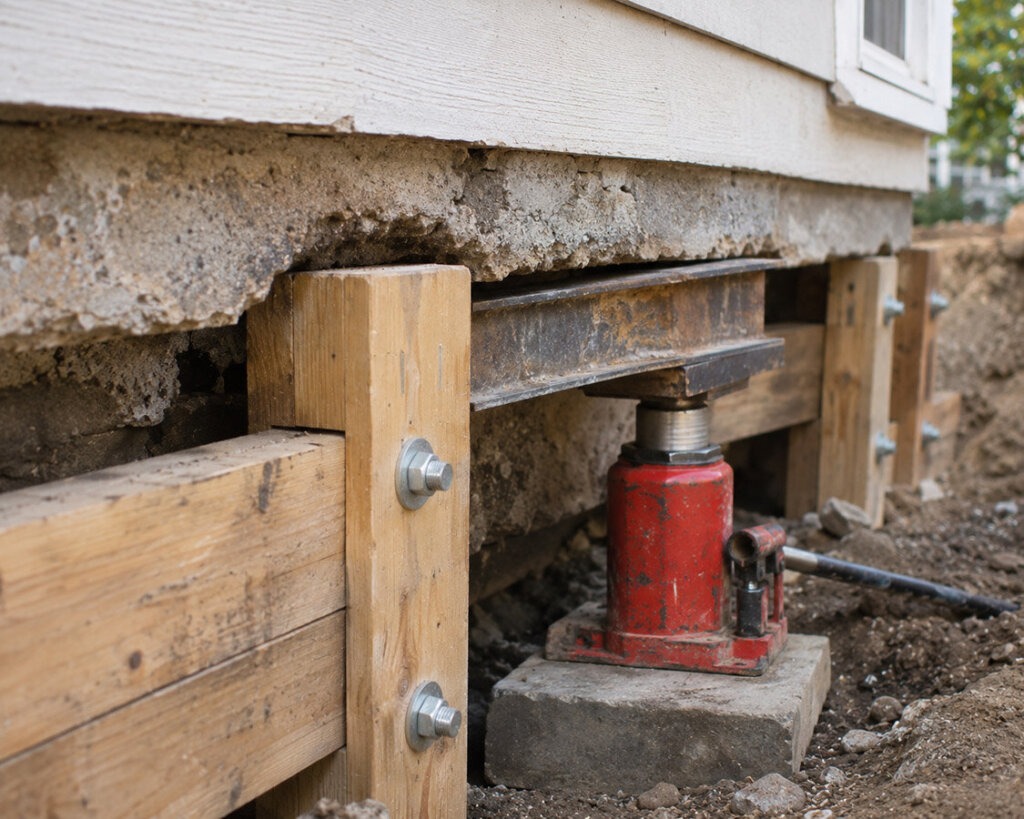
Foundation Jacking and Leveling
When part of a foundation or structure has settled unevenly, jacking and leveling may be used to carefully raise the affected area. Specialized equipment, such as hydraulic jacks, can be used to lift a section gradually while the condition of the structure is monitored. The goal is to address the settlement and improve the support beneath the affected area. The amount of lifting that is appropriate depends on the structure and its condition. In some situations, the home may not be returned completely to its original position, particularly if doing so could place unnecessary stress on the building.
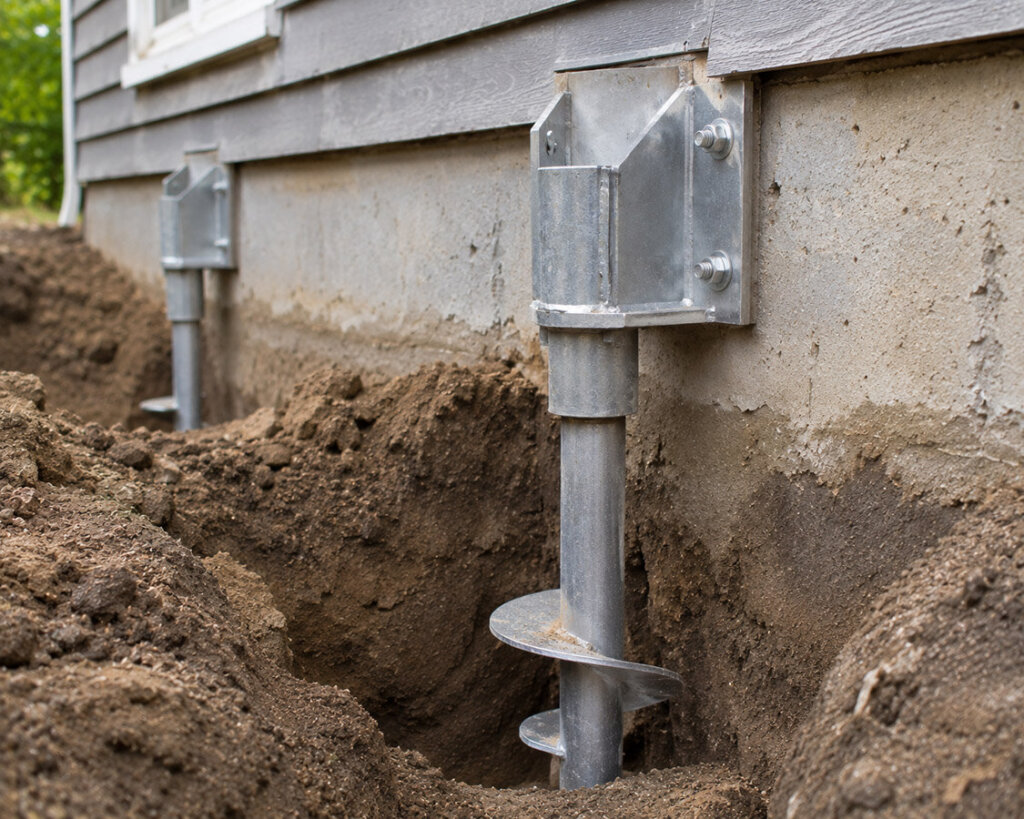
Helical Pier Installation
When settlement is related to unstable or inadequate soil support, helical piers may be considered. These steel supports are installed into the ground to transfer the structure’s load to more stable soil or suitable bearing conditions. Depending on the project, helical piers may be used to stabilize a foundation and, in some cases, assist with lifting a settled section. Whether they are appropriate depends on the foundation, soil conditions, and repair requirements.
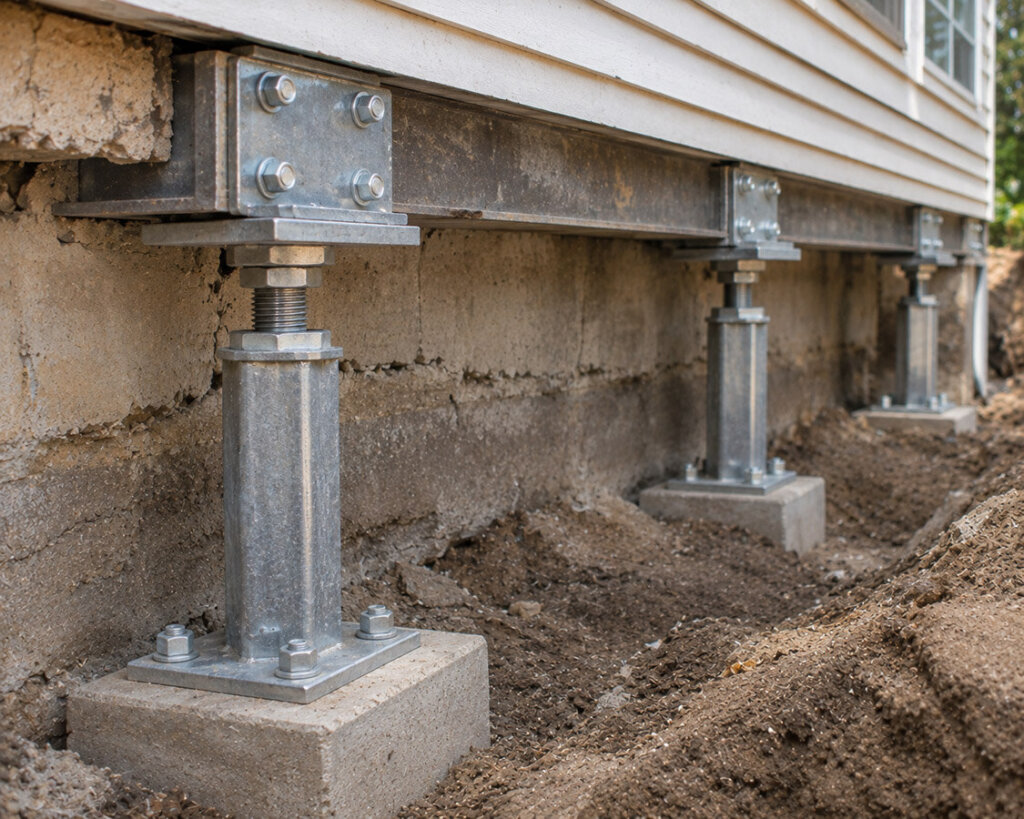
Foundation Support and Stabilization
Some homes need additional support to help prevent continued movement. This may involve reinforcing areas of the foundation or installing structural supports based on the conditions identified during an assessment. Stabilization is not always the same as leveling. In some cases, the priority is to stop further settlement rather than raise the structure. A suitable repair plan should explain the difference and outline the intended outcome.
Repairing Related Foundation Problems
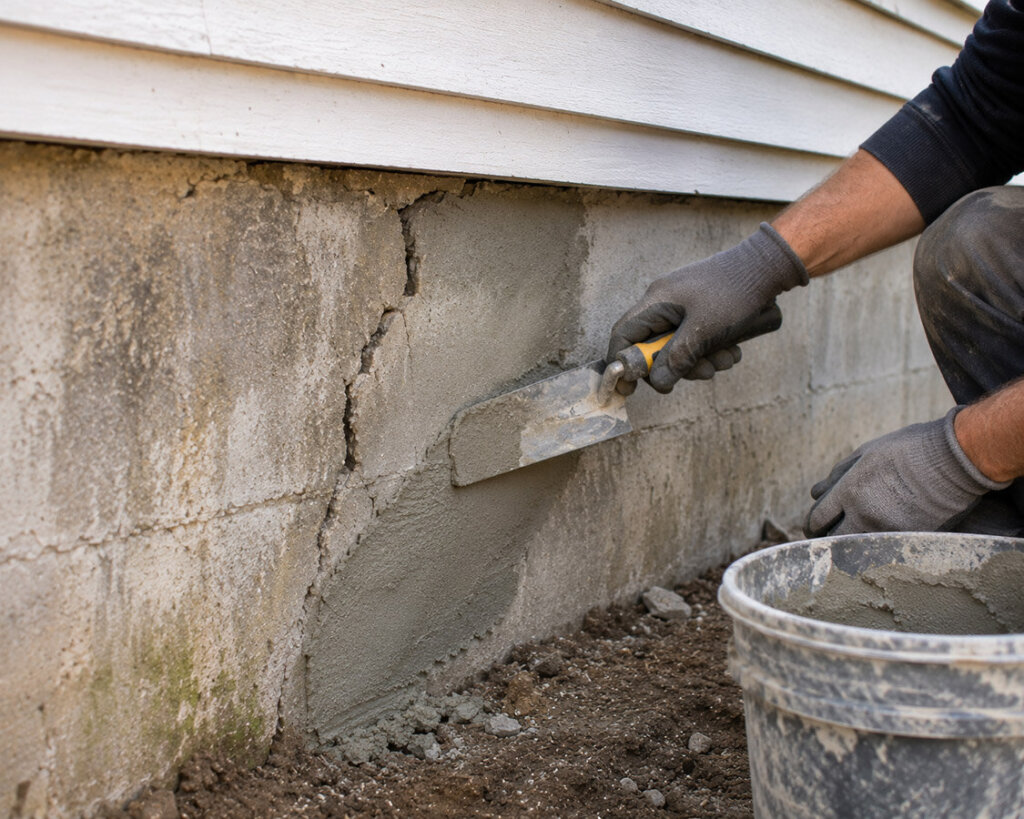
House leveling may not address every issue affecting a home. If the assessment identifies foundation cracks, water intrusion, drainage problems, or deteriorating concrete, those conditions may also need attention. Addressing related problems can help support the overall repair plan. Boston Foundation Repair offers foundation crack repair, concrete repair, waterproofing and drainage services, along with leveling and lifting in Cambridge.
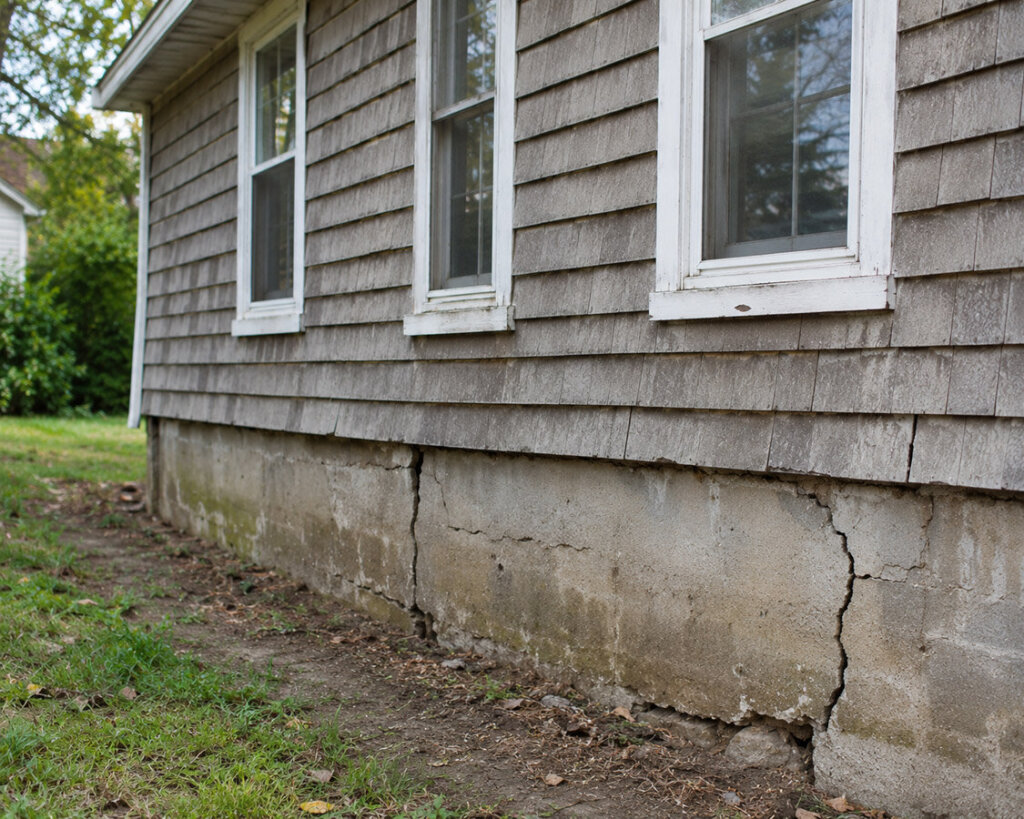
Why Foundation Settlement Shouldn’t Be Ignored
Continued Structural Movement
If the cause of settlement remains active, parts of the home may continue to move. This can lead to additional unevenness, cracks, or changes in how doors and windows operate.
Problems With Doors and Windows
Uneven settlement can affect the alignment of door and window frames. Over time, this may make them harder to open, close, or secure.
Damage to Interior Finishes
As a structure shifts, drywall, plaster, flooring, and trim may develop cracks or gaps. These changes can affect the appearance of your home and may require additional repairs after the underlying issue is addressed.
Increased Repair Needs
A foundation issue may become more complicated if movement continues. Addressing the concern early can help homeowners understand the condition of the structure and plan appropriate repairs before additional damage develops.
Schedule a House Leveling Evaluation in Cambridge, MA
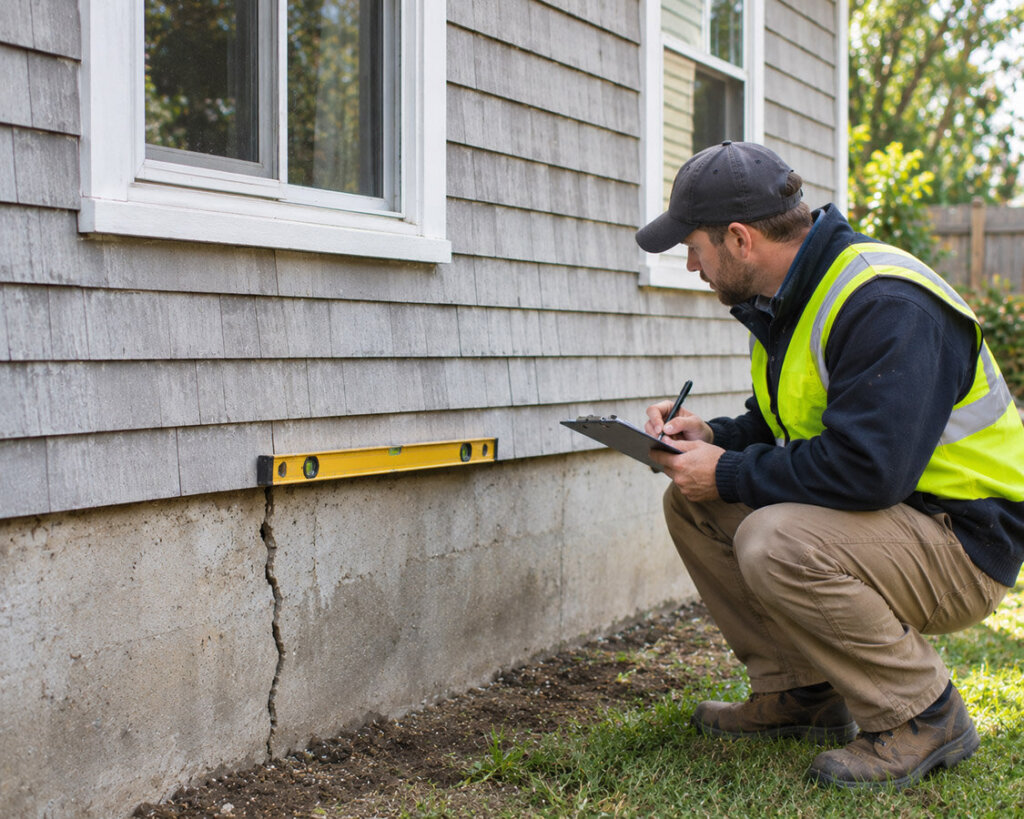
Noticing sloping floors, sticking doors, or signs of foundation settlement? Boston Foundation Repair can help you understand what may be causing the problem and whether house leveling or another foundation solution is appropriate for your Cambridge home. Our team can evaluate the condition of your foundation, explain the findings, and discuss possible next steps based on your property’s needs.
Frequently Asked Questions
What is house leveling?
House leveling is a process used to address unevenness caused by settlement or movement in a home’s foundation or supporting structure. Depending on the condition, it may involve jacking, lifting, or adding support to the affected area.
How do I know if my house needs leveling?
Signs may include sloping floors, sticking doors or windows, cracks around openings, gaps between trim and walls, or visible foundation settlement. These symptoms can have other causes, so an inspection is needed to determine whether leveling is appropriate.
Can house leveling fix uneven floors?
It may help when uneven floors are caused by foundation settlement or movement. However, uneven floors can also result from damaged joists, beams, or subflooring. The source of the problem should be identified before selecting a repair.
Will house leveling return my home to its original position?
Not necessarily. The appropriate amount of lifting depends on the structure’s condition and the repair method. In some cases, the goal is to stabilize the home and reduce unevenness rather than restore it completely to its original position.
How long does house leveling take?
The timeline depends on the size of the affected area, the cause of settlement, the repair method, and site conditions. A contractor should provide a project-specific estimate of the expected work schedule after evaluating the property.
Is house leveling the same as foundation repair?
House leveling is one type of foundation-related repair. Foundation repair can also include crack repair, stabilization, underpinning, waterproofing, and other work. The correct service depends on what is causing the problem.
Does Boston Foundation Repair offer house leveling in Cambridge, MA?
Boston Foundation Repair lists leveling and lifting among its foundation services in Cambridge. Homeowners can contact the company to discuss signs of settlement and request an assessment of their property.
How much does house leveling cost in Cambridge, MA?
The cost of house leveling depends on the extent of foundation settlement, the size of the affected area, the repair method, and the condition of the existing foundation. Some projects may require localized lifting, while others need additional structural support. An on-site evaluation is the best way to determine the scope of work and provide an accurate estimate.
Is house leveling a disruptive process?
House leveling may involve excavation, specialized lifting equipment, and temporary structural supports, depending on the repair. The level of disruption varies based on the home’s construction and the location of the affected foundation. Before work begins, your contractor should explain the process, expected timeline, and any areas of the property that may be affected.
Can a foundation settle again after house leveling?
Foundation movement can continue if the underlying cause has not been addressed. The repair approach should consider soil conditions, drainage, and the stability of the existing foundation. Depending on the situation, additional stabilization may be needed to help reduce the risk of future movement.