
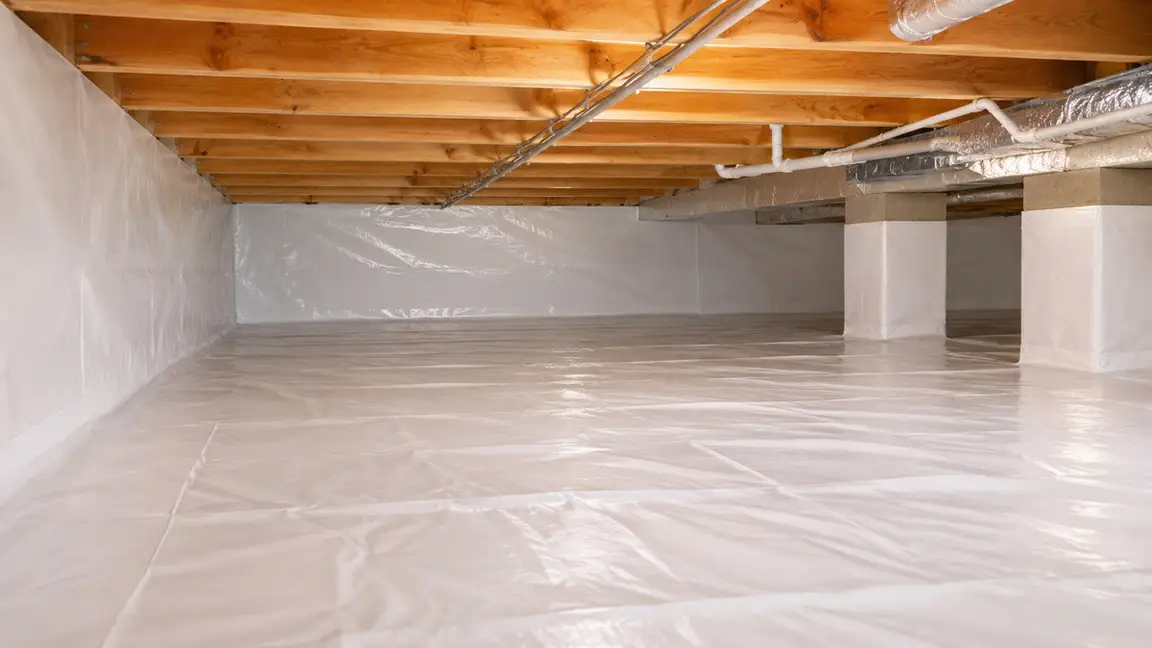
Why Residents of Cambridge Choose Boston Foundation Repair for Crawl Space Encapsulation
A damp or poorly maintained crawl space can affect more than the area beneath your home. Boston Foundation Repair helps Cambridge homeowners address crawl space moisture concerns with solutions designed around the condition of each property. Whether you’re dealing with musty odors, damp insulation, standing water, or excess humidity, our team can evaluate the space and help identify the measures needed to manage moisture and protect the materials beneath your home.
Every crawl space has different requirements, which is why choosing the right encapsulation approach matters. Boston Foundation Repair offers crawl space solutions that may include vapor barrier installation, drainage improvements, sump pump systems, insulation, and humidity control. From identifying potential moisture sources to discussing suitable improvements, we focus on helping homeowners understand their options and make informed decisions about maintaining a cleaner, drier crawl space.
Boston Foundation Repair Client Reviews
Historic Home Brought Back to Life
“Bruno and his team helped restore our 110 year old house. There was an entire corner to demolish, redo the basement foundation, and then recreate exactly as it would have been originally, recovering and reusing as much of the original granite. They reconditioned our 12′ fireplace with a granite mantel and hearth. If you want a quality professional mason, have them do your job.”
-Steve S.
Boston, MA
Straightforward Service with No Surprises
“Boston Foundation Repair provided transparent and honest services throughout my foundation repair. They explained the extent of the damage, the necessary repairs, and the associated costs. There were no hidden fees.”
-Nguyen H.
Boston, MA
Cracks in Your Basement Walls? No Problem!
“We are facing cracks in our basement for the very long time. So we hired Boston Foundation Repair and their team repaired our foundation damage promptly and professionally. We are very thrilled with the outcome. Highly recommended!”
-Samantha G.
Boston, MA
Signs You May Need Crawl Space Encapsulation in Cambridge, MA
Crawl spaces are often out of sight, so moisture problems can develop without homeowners noticing them immediately. You may first recognize an issue through a musty smell, damp flooring, or changes in the condition of materials beneath your home. If you notice any of the following signs, it may be worth having your crawl space evaluated.
1
Musty or Damp Odors
A persistent musty smell inside your home may be coming from the crawl space. Moist soil, damp insulation, and elevated humidity can contribute to unpleasant odors that may travel into the living areas above.
2
Visible Moisture or Condensation
Water droplets on pipes, damp surfaces, or condensation along the underside of the floor can indicate excess moisture. These conditions may develop when humid air enters the crawl space or when moisture moves upward from the ground.
3
Mold or Mildew Growth
Dark spots or visible growth on wood, insulation, or other crawl space materials may indicate that moisture has been present for some time. Mold and mildew can develop when materials remain damp, making moisture control an important part of addressing the underlying problem.
4
Damp or Damaged Insulation
Insulation beneath your floors can become less effective when it absorbs moisture or begins to deteriorate. If you notice sagging, damp, or damaged insulation inside the crawl space, the area may need both moisture management and insulation improvements.
5
Wood Rot or Deteriorating Floor Joists
Floor joists, beams, and other wooden components can deteriorate when exposed to persistent moisture. Soft, discolored, or visibly damaged wood should be evaluated to determine whether moisture has affected the structure and whether repairs are needed.
6
Standing Water or Wet Soil
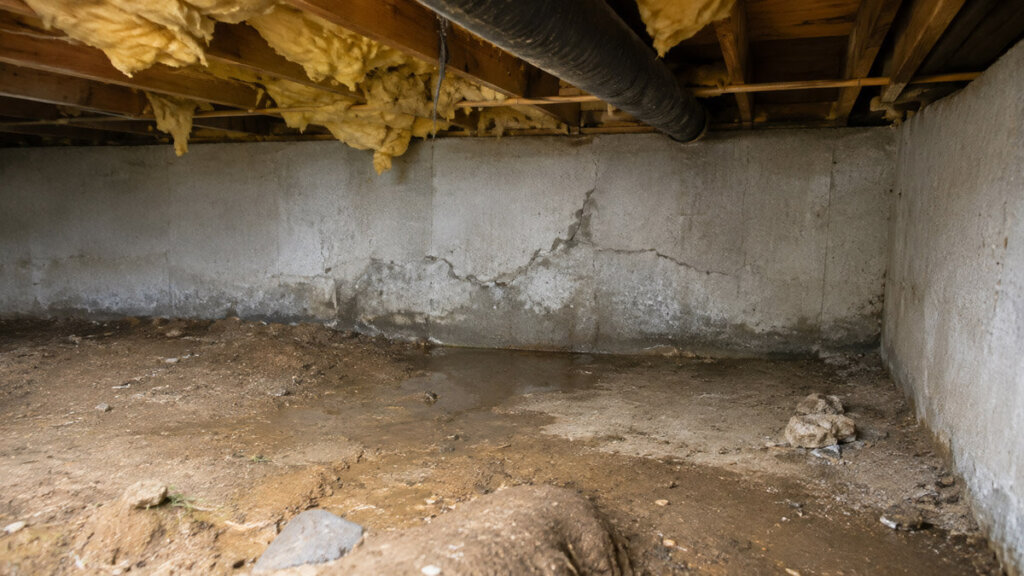
Water collecting on the crawl space floor is a sign that drainage or groundwater conditions need attention. Even if the water disappears after a few days, recurring moisture may continue to affect the crawl space. Standing water should be addressed before encapsulation begins.
What Causes Crawl Space Moisture in Cambridge, MA?
Crawl space moisture can come from several sources, and more than one may be affecting your home at the same time. Soil conditions, exterior drainage, seasonal weather, and the condition of the crawl space itself can all influence how much moisture collects beneath the structure.
Ground Moisture: Soil naturally contains moisture that can evaporate into the crawl space. Without an effective ground vapor barrier, water vapor can move upward from exposed soil and contribute to damp conditions beneath the home.
Heavy Rainfall and Snowmelt: Rainwater and melting snow can saturate the soil around your foundation. If the property has poor drainage or water collects near the exterior walls, moisture may find its way into the crawl space.
Poor Exterior Drainage: Clogged gutters, short downspouts, and improper yard grading can direct water toward the foundation instead of away from it. When water repeatedly collects around the home, the crawl space may become more susceptible to moisture intrusion.
High Humidity and Condensation: Warm, humid air can enter a cooler crawl space through vents and other openings. When that air comes into contact with cooler surfaces, condensation may form on pipes, insulation, and wooden components.
Unsealed Crawl Space Vents and Openings: Gaps around access doors, foundation vents, utility penetrations, and other openings can allow outside air and moisture to enter. These openings may also make it harder to maintain consistent humidity conditions.
Damaged or Missing Vapor Barriers: Older crawl spaces may have little or no ground covering, or they may rely on thin plastic sheeting that has shifted, torn, or deteriorated. When the ground is not properly covered, moisture can continue entering the space.
My crawl space smells musty, but I don’t see standing water. Do I still need encapsulation?
Yes, a crawl space can have a moisture problem even when there is no visible standing water. Moisture can enter through exposed soil, humid outside air, small plumbing leaks, or condensation on cooler surfaces. Over time, these conditions may contribute to musty odors, damp insulation, and deterioration of wood components.
Crawl space encapsulation may be appropriate when excess ground moisture or outside air is contributing to the problem. However, the first step is to identify where the moisture is coming from. Boston Foundation Repair can help evaluate the condition of your crawl space and discuss whether a vapor barrier, drainage improvements, dehumidification, or a more complete encapsulation system is appropriate for your Cambridge home.
Crawl Space Encapsulation Solutions for Cambridge, MA Homes
There is no single encapsulation approach that works for every crawl space. Some homes primarily need a ground vapor barrier, while others may require drainage improvements, sealing, insulation, or humidity control. The right combination depends on the crawl space layout, existing moisture conditions, and the way the area is constructed.
Vapor Barrier Installation
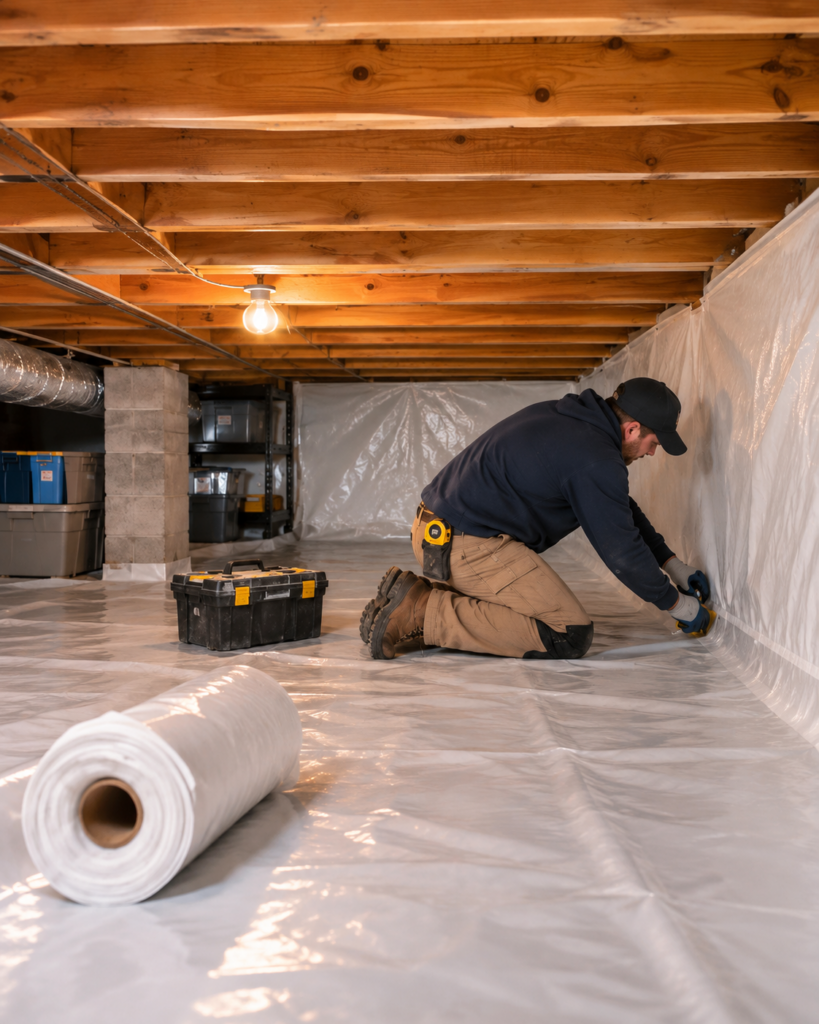
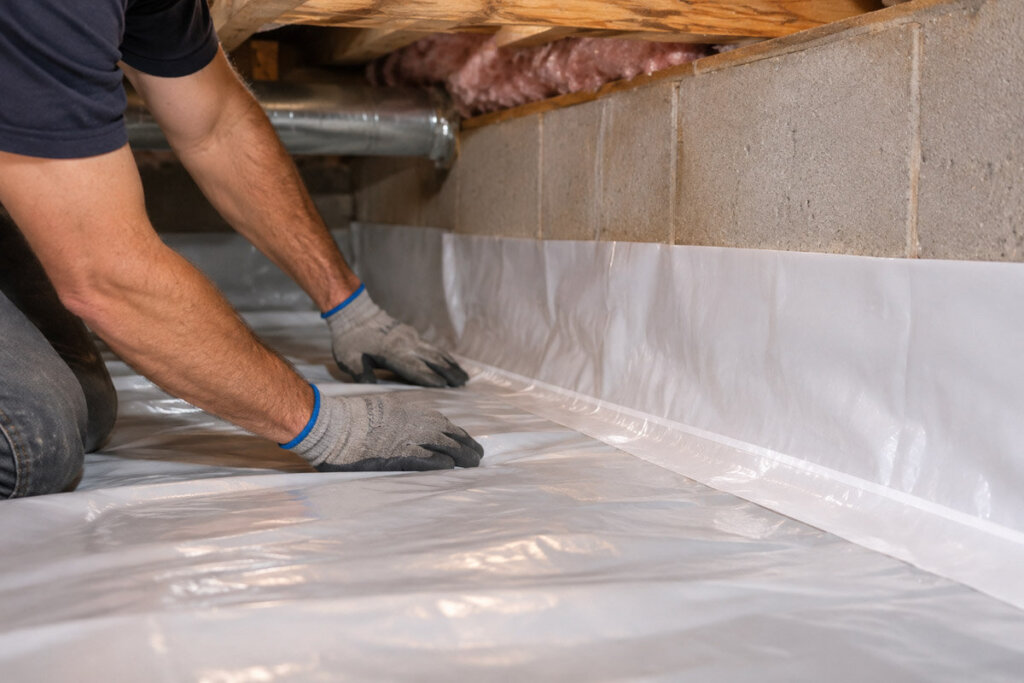
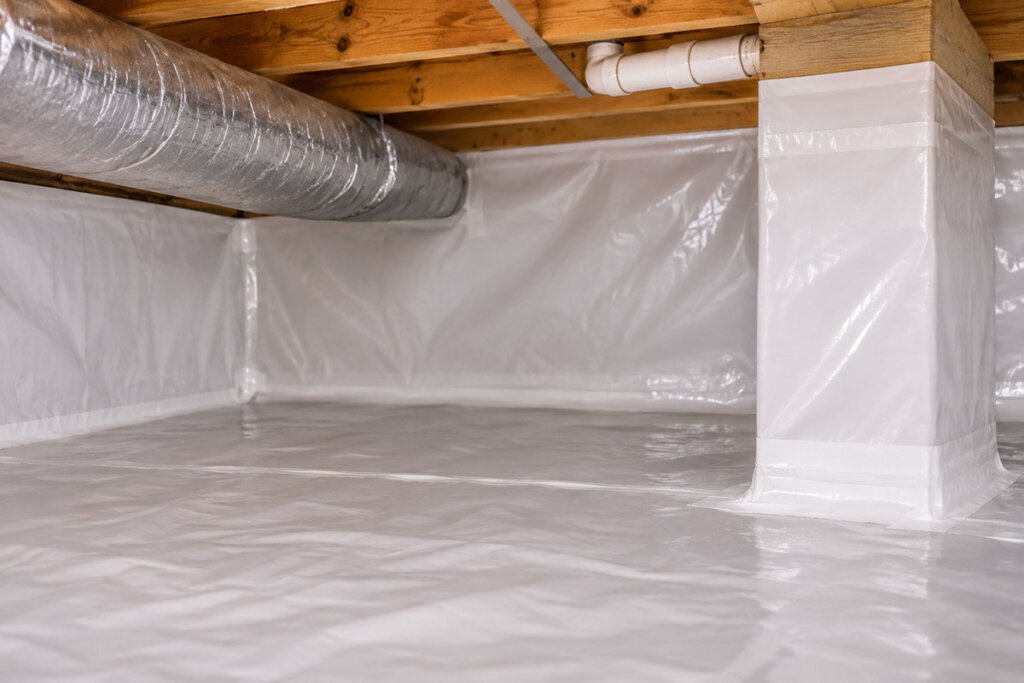
A vapor barrier helps limit moisture moving upward from exposed soil into the crawl space. This typically involves installing durable polyethylene sheeting across the ground and securing it along the foundation walls, support piers, and other surfaces where appropriate. For the system to work effectively, seams and edges need to be properly overlapped and sealed. Tears, gaps, and uncovered sections can leave pathways for moisture to enter. A properly installed barrier helps create a more continuous layer of protection between the soil and the crawl space environment.
Crawl Space Sealing and Encapsulation
Encapsulation involves creating a more controlled environment by covering exposed ground and addressing openings where outside air and moisture can enter. Depending on the crawl space, this may include sealing gaps, treating foundation wall surfaces, and installing a continuous vapor barrier along the floor and selected wall areas. The specific materials and installation details depend on the home’s construction and applicable requirements. Existing water intrusion, drainage concerns, and other moisture sources should be addressed before the space is sealed.
Crawl Space Drainage and Sump Pump Systems
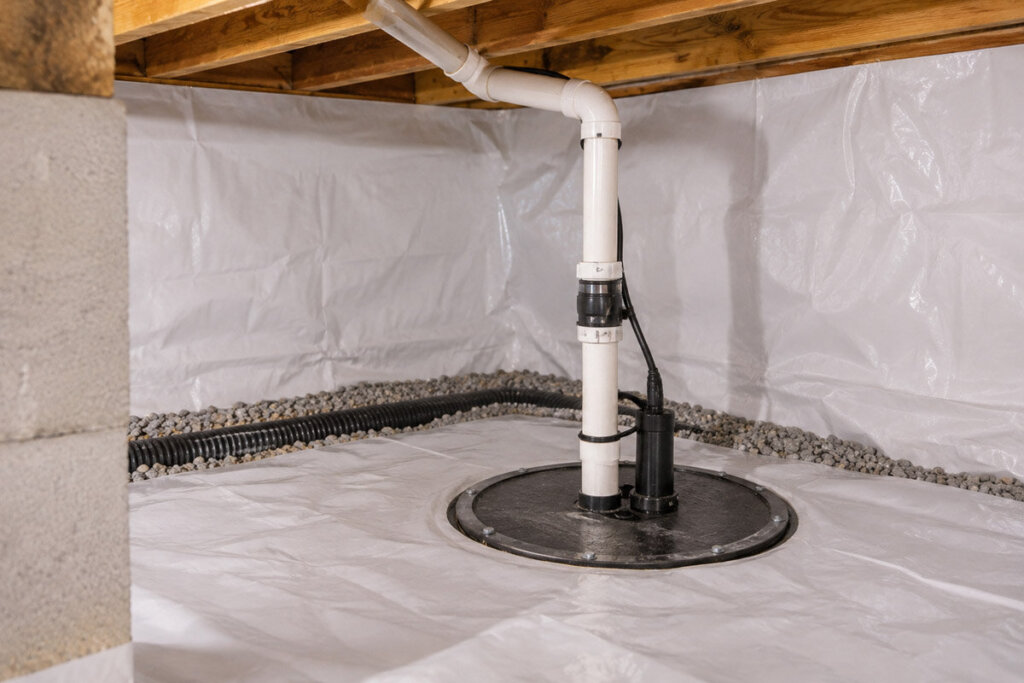
If water collects inside the crawl space, a vapor barrier alone will not solve the problem. Drainage improvements may be needed to collect and redirect water away from the area. Depending on the conditions, this may involve a drainage system, a sump basin, and a sump pump that moves collected water to an appropriate discharge location. These measures help manage liquid water before it can contribute to recurring dampness or damage beneath the home.
Crawl Space Insulation and Dehumidification
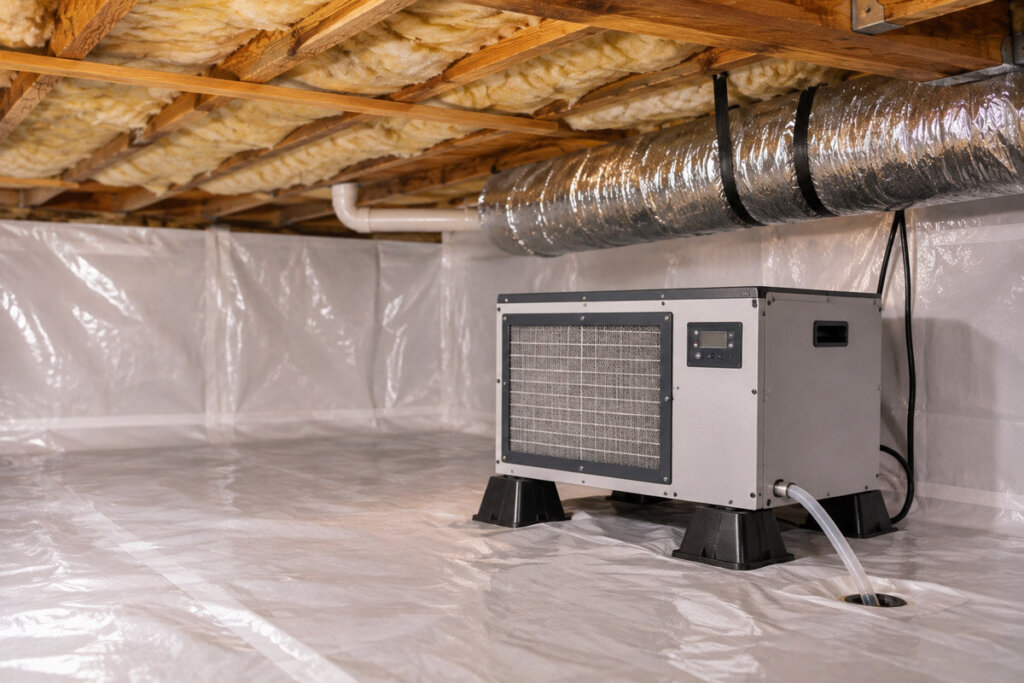
Once moisture entry and drainage concerns have been addressed, insulation and humidity control may help improve the crawl space environment. Insulation can be installed in appropriate locations to help manage temperature differences and reduce unwanted heat transfer. A crawl space dehumidifier can also help control excess humidity when conditions require active moisture removal. Proper sizing, placement, and drainage for the equipment matter. The goal is to maintain more consistent humidity conditions rather than simply covering up the signs of moisture.
Why Crawl Space Moisture Shouldn’t Be Ignored
Mold and Mildew Growth
Persistently damp crawl spaces can create conditions that support mold and mildew growth on wood, insulation, and other materials. Addressing the moisture source is an important step in reducing the conditions that allow this growth to develop.
Damaged Insulation
When crawl space insulation becomes wet or deteriorates, it may no longer perform as intended. This can affect the thermal separation between the crawl space and the rooms above it and may lead to additional maintenance needs.
Wood Rot and Structural Deterioration
Floor joists, beams, and other wooden supports can deteriorate when moisture remains present over time. If the damage progresses, the affected components may require repair or replacement in addition to moisture control.
Persistent Odors and Indoor Comfort Concerns
A damp crawl space can contribute to musty odors that make their way into the home. Excess humidity and moisture-related conditions beneath the floors may also affect how comfortable the living space feels.
Schedule a Crawl Space Encapsulation Evaluation in Cambridge, MA
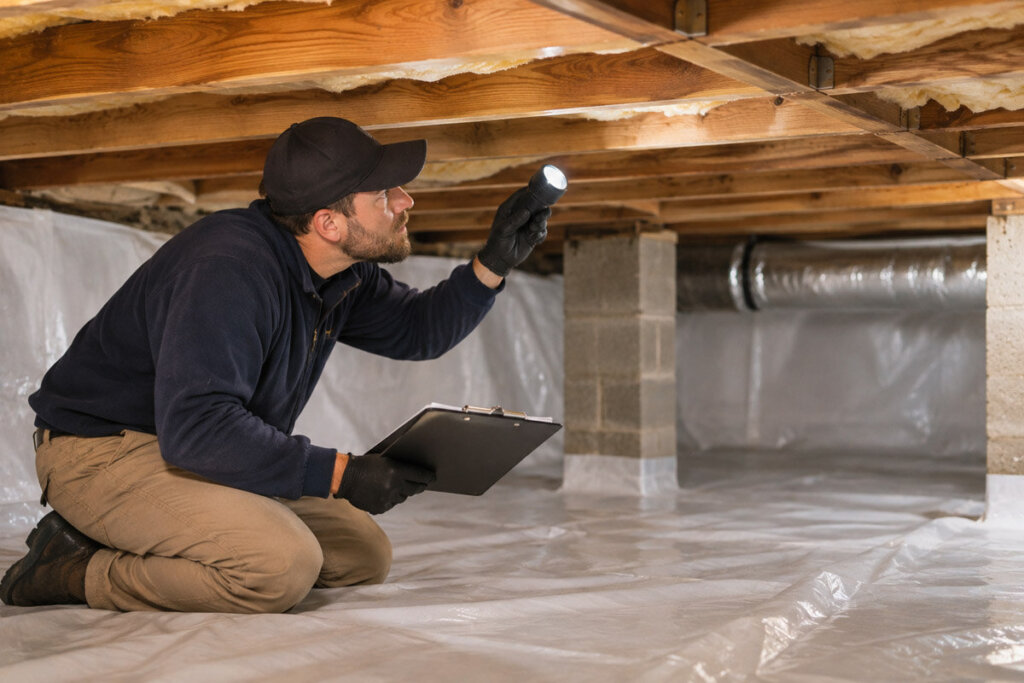
Concerned about musty odors, damp insulation, or moisture beneath your home? Boston Foundation Repair can help identify what is contributing to the problem and discuss crawl space solutions suited to your property. Whether your crawl space needs a vapor barrier, drainage improvements, encapsulation, or humidity control, our team can help you understand the available options and determine the next steps.
Frequently Asked Questions
What is crawl space encapsulation?
Crawl space encapsulation is a moisture-control approach that involves covering exposed ground with a vapor barrier and addressing openings that allow outside air and moisture to enter. Depending on the property, the system may also include drainage improvements, insulation, and a dehumidifier.
How do I know if my Cambridge home needs crawl space encapsulation?
Signs may include persistent musty odors, damp soil, condensation, mold or mildew growth, damaged insulation, and moisture on wooden floor supports. An inspection can help determine whether encapsulation is appropriate or whether another moisture-control measure is needed.
Does crawl space encapsulation stop water from entering?
Encapsulation helps control moisture, but it is not a substitute for correcting active water intrusion. If water is entering or collecting inside the crawl space, drainage improvements, a sump pump, or repairs to the source of the leak may be necessary before the space is sealed.
What is the difference between a vapor barrier and crawl space encapsulation?
A vapor barrier is a material installed over exposed soil and, in some systems, extended up foundation walls and support piers to reduce moisture movement. Encapsulation is a more comprehensive approach that may include a vapor barrier, sealing openings, drainage, insulation, and humidity control.
Will crawl space encapsulation help with musty odors?
It may help when the odors are related to excess ground moisture or humid outside air entering the crawl space. However, existing mold, damaged materials, plumbing leaks, and other odor sources may need to be addressed separately.
Does crawl space encapsulation require a dehumidifier?
Not every crawl space requires the same humidity-control equipment. Depending on the design, climate, and moisture conditions, a dehumidifier or another appropriate drying strategy may be needed to manage humidity after the space is sealed.
Can crawl space encapsulation help protect floor joists?
Encapsulation can help reduce exposure to moisture that may contribute to wood deterioration. However, it does not repair existing rot or structural damage. Damaged joists and other support components should be evaluated and repaired as needed.
How long does crawl space encapsulation take?
The timeline depends on the size and accessibility of the crawl space, its existing condition, and the amount of work required. A project involving only a vapor barrier may take less time than one requiring drainage improvements, repairs, sealing, and insulation.
Can an existing crawl space be encapsulated?
Yes, many existing crawl spaces can be encapsulated. However, the area should first be evaluated for standing water, drainage problems, damaged materials, and other conditions that need attention before installation begins.
How much does crawl space encapsulation cost in Cambridge, MA?
The cost depends on the crawl space size, accessibility, existing moisture conditions, materials, and whether additional work such as drainage, sump pump installation, insulation, or dehumidification is needed. An on-site evaluation is the best way to determine the scope of work and provide an accurate estimate.